Introduction
Homemade Japanese Mounjaro Recipe is rapidly becoming one of the most searched healthy meal ideas for modern eaters who value both taste and nutrition. Blending authentic Japanese culinary traditions with today’s health-conscious lifestyle, this dish offers the perfect balance of flavor, freshness, and fitness. Known for its low-carb ingredients, high-protein profile, and clean preparation, the homemade japanese mounjaro recipe has emerged as a smart choice for anyone focused on wellness and mindful eating.
Homemade Japanese Mounjaro Recipe is not just a trendy dish—it’s a complete meal philosophy. Rooted in Japanese cooking principles of simplicity, portion balance, and natural flavors, it aligns perfectly with the Mounjaro diet plan, which promotes blood sugar control and steady energy throughout the day. The dish typically includes tofu or lean chicken, miso paste, soy sauce, seaweed, and colorful vegetables—each ingredient chosen for its nutritional power and digestive benefits. Together, they create a satisfying, nutrient-rich meal ideal for weight management and overall vitality.
homemade japanese mounjaro recipe beautifully combines the best of both worlds—Japan’s centuries-old focus on harmony in food and the modern emphasis on healthy eating habits. While traditional Japanese cuisine values freshness and seasonality, the Mounjaro-inspired twist introduces structured nutrition that supports metabolism and satiety. The result is a meal that is flavorful yet light, filling but not heavy, making it perfect for busy professionals, fitness enthusiasts, and anyone seeking balanced nutrition.
homemade japanese mounjaro recipe has captured the hearts of health-focused cooks and dieters worldwide because it allows them to enjoy authentic Japanese flavors without compromising their fitness goals. It’s rich in plant-based protein, packed with vitamins and minerals, and completely customizable—whether you’re vegan, vegetarian, or following a high-protein routine. This dish stands out as both a comfort food and a wellness staple.
In this post, you’ll explore everything about the Japanese Mounjaro recipe—its origins, ingredients, step-by-step cooking guide, health benefits, and variations. You’ll also discover how this healthy Mounjaro recipe fits perfectly into your daily routine as a Japanese weight loss meal, helping you stay energized, satisfied, and inspired.
What is the homemade japanese mounjaro recipe?
The homemade japanese mounjaro recipe is a unique wellness-inspired creation that blends Japan’s centuries-old culinary traditions with today’s modern health trends. This recipe emphasizes balance, mindfulness, and natural nourishment, making it a favorite among those seeking flavorful yet metabolism-boosting meals. Rooted in the philosophy of washoku (harmony in food), the Japanese Mounjaro recipe celebrates the art of simple, nutrient-rich eating that fuels both body and soul.
Origin and Inspiration Behind the homemade japanese mounjaro recipe
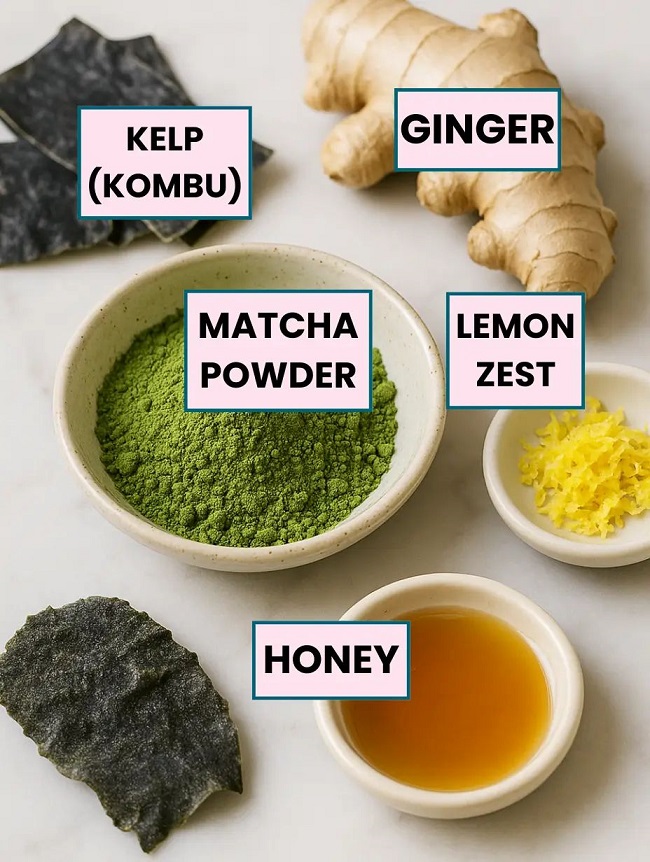
The homemade japanese mounjaro recipe is inspired by Japan’s deep respect for nature, balance, and wellness. Traditional Japanese meals have long been designed to nourish the body while keeping portions light and nutrient-dense. From the comforting warmth of miso soup to the protein-rich tofu and antioxidant-packed seaweed, every element is chosen with intention.
Core Inspirations of the Japanese Mounjaro Recipe:
- Traditional Japanese Cuisine: Rooted in time-tested cooking practices focused on balance and simplicity.
- Seasonal Ingredients: Fresh, locally sourced ingredients ensure optimal nutrition and flavor.
- Healthy Cooking Techniques: Steaming, simmering, and grilling retain nutrients while keeping calories low.
Meaning of “Mounjaro” in Wellness and Balance
In the context of wellness, “Mounjaro” symbolizes a journey toward balance, harmony, and mindful living. It aligns perfectly with Japan’s holistic approach to eating, where food is not just fuel but a pathway to equilibrium between body and mind.
| Wellness Principle | How It Reflects in the homemade japanese mounjaro recipe |
|---|---|
| Mindfulness | Encourages slow, conscious eating to enhance digestion. |
| Balance | Combines whole grains, lean proteins, and healthy fats in ideal proportions. |
| Simplicity | Focuses on minimal yet powerful ingredients for natural nourishment. |
| Sustainability | Promotes eco-friendly, seasonal, and plant-forward ingredients. |
Through this balance, the Japanese Mounjaro recipe embodies the perfect fusion of nutrition and mindfulness, helping individuals eat with purpose and live with vitality.
Japanese Culinary Philosophy in the Japanese Mounjaro Recipe
The homemade japanese mounjaro recipe incorporates key elements of Japanese culinary philosophy, which emphasizes simplicity, balance, and umami. These principles not only make the dish flavorful but also enhance its nutritional benefits.
- Umami – The Fifth Taste:
- The Japanese Mounjaro recipe features ingredients rich in umami, such as miso, soy sauce, and seaweed. These ingredients provide a deep, savory flavor and are also packed with amino acids, minerals, and antioxidants that support immune function and metabolism.
- Minimalism and Simplicity:
- Reflecting Japan’s minimalist approach to cooking, the homemade japanese mounjaro recipe uses a limited number of high-quality ingredients. This simplicity allows each element to shine and ensures that the dish is both easy to prepare and rich in nutrients.
- Balance in Flavor and Nutrition:
- The Japanese Mounjaro recipe is carefully balanced with proteins, healthy fats, fiber-rich vegetables, and umami flavors. This balance promotes a healthy metabolism, while the dish’s aesthetic presentation encourages mindful eating.
By applying these culinary principles, the Japanese Mounjaro recipe not only nourishes the body but also aligns with Japan’s deep cultural appreciation for food as an art form that fosters overall wellness.
Connection with Mindful Eating and Metabolism Support
The homemade japanese mounjaro recipe encourages mindful eating, a practice deeply ingrained in Japanese culture. By savoring each bite and recognizing hunger cues, this recipe promotes a healthier relationship with food while improving metabolism and digestion.
Health Benefits of the Japanese Mounjaro Recipe:
- 🔹 Boosts metabolism with high-protein, low-fat ingredients like tofu, fish, and miso.
- 🔹 Supports gut health through probiotics found in fermented foods.
- 🔹 Balances blood sugar with complex carbs and fiber-rich vegetables.
- 🔹 Encourages portion control through mindful serving and slow eating habits.
- 🔹 Reduces cravings by providing long-lasting satiety through umami-rich flavors.
The Japanese Mounjaro recipe perfectly integrates ancient Japanese dietary wisdom with modern health science, helping individuals achieve balance, focus, and sustainable wellness.
Key Ingredients Used in the Japanese Mounjaro Recipe
The homemade japanese mounjaro recipe combines traditional Japanese ingredients with modern nutritional benefits, making it a powerful and delicious meal that promotes overall wellness. This nutrient-dense dish is packed with wholesome ingredients that support metabolism, digestive health, and overall vitality. In this article, we’ll explore the key ingredients used in the Japanese recipe, their health benefits, and possible alternatives for vegan and gluten-free diets.
Overview of Major Ingredients in the Japanese Mounjaro Recipe
The Japanese Mounjaro recipe is designed to nourish the body through a selection of high-quality ingredients that support metabolism, digestion, and overall health. Let’s take a closer look at the key ingredients and their impressive health benefits:
| Ingredient | Quantity | Health Benefits |
|---|---|---|
| Tofu | 100g | High in plant-based protein, supports metabolism, aids in muscle building. |
| Miso | 2 tablespoons | Contains probiotics, supports gut health, aids in digestion, boosts immune function. |
| Seaweed (Nori/Kombu) | 10g | Rich in iodine, supports thyroid health, high in antioxidants, aids in detox. |
| Soy Sauce | 1 tablespoon | Enhances flavor with amino acids, supports digestive health. |
| Ginger | 1 tablespoon | Anti-inflammatory properties, supports digestion, boosts metabolism. |
| Garlic | 1 clove | Anti-inflammatory, promotes heart health, supports immune function. |
| Sesame Oil | 1 tablespoon | Provides healthy fats, supports brain function, reduces inflammation. |
| Shiitake Mushrooms | 50g | Rich in B vitamins and antioxidants, supports immune health. |
| Spinach (or other leafy greens) | 50g | High in vitamins A, K, and iron, supports bone health and overall well-being. |
Tofu: A Protein Powerhouse in the homemade japanese mounjaro recipe
Tofu is a cornerstone ingredient in the Japanese Mounjaro recipe, providing a high-quality, plant-based protein source essential for muscle repair and metabolic regulation.
- Health Benefits:
- High in Protein: Tofu contains all nine essential amino acids, making it an excellent source of complete protein, which helps in muscle repair and satiety.
- Supports Metabolism: The protein in tofu promotes a steady metabolism and helps regulate blood sugar, making it an ideal addition to a balanced meal.
- Alternatives for Vegans: Tofu is an ideal vegan ingredient, but for those looking for variety, tempeh or seitan can be used as alternatives for added texture and protein content in the tofu Japanese dish.
Tofu’s versatility in the Japanese Mounjaro recipe enhances the dish’s nutritional value while absorbing the flavors of other ingredients, making it both delicious and nutritious.
Miso: A Gut Health Superfood
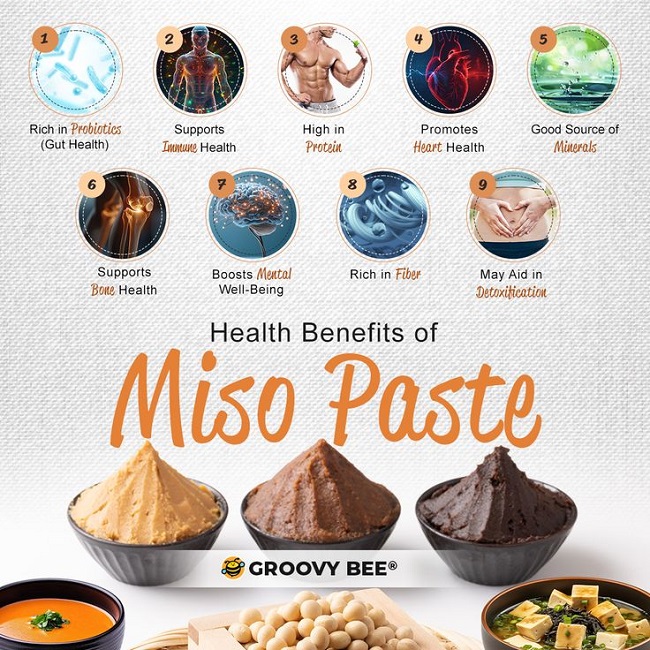
Miso, a fermented paste made from soybeans, is another crucial ingredient in the homemade japanese mounjaro recipe. It is rich in probiotics, which contribute to a healthy gut microbiome.
- Health Benefits:
- Gut Health: Miso contains live cultures that support the digestive system by promoting the growth of beneficial bacteria, which aids in digestion and absorption of nutrients.
- Boosts Immune Function: Packed with antioxidants, miso helps to strengthen the immune system, providing a defense against illness.
- Vegan-Friendly Alternative: For those following a vegan diet, be sure to choose plant-based miso options made from chickpeas or rice. These varieties are free from animal products while still offering the same gut-health benefits.
Miso’s role in the miso recipe enhances the flavor profile of the Japanese Mounjaro recipe while supporting digestive health and immunity.
Seaweed: Thyroid and Skin Support
Seaweed, whether nori or kombu, is a nutrient-dense ingredient that plays a vital role in the homemade japanese mounjaro recipe.
- Health Benefits:
- Iodine for Thyroid Health: Seaweed is an excellent source of iodine, which is essential for thyroid function. The thyroid regulates metabolism, energy production, and growth.
- Rich in Antioxidants: Seaweed is packed with antioxidants, which help to protect cells from oxidative stress and support skin health.
- Detoxifying: Seaweed helps the body detoxify, supporting overall health and vitality.
Seaweed in the Japanese Mounjaro recipe adds a boost of flavor and nutrition, particularly for those looking to support their thyroid function and detoxify their body.
Healthy Cooking Fats: Sesame Oil
Sesame oil is a healthy fat used in the homemade japanese mounjaro recipe to impart flavor while supporting brain function and reducing inflammation.
- Health Benefits:
- Healthy Fats: Sesame oil is rich in polyunsaturated fats, which are essential for brain health and reducing inflammation in the body.
- Antioxidant Properties: The oil contains powerful antioxidants that help reduce oxidative stress and inflammation.
By using sesame oil in the Japanese Mounjaro recipe, you get the benefits of healthy fats that nourish the body and provide anti-inflammatory support.
Shiitake Mushrooms: Immune-Boosting Superfood
Shiitake mushrooms are packed with vitamins and antioxidants that play an important role in supporting the immune system.
- Health Benefits:
- Rich in Vitamins: Shiitake mushrooms are a great source of B vitamins, which help with energy production and immune function.
- Antioxidants: They contain antioxidants that protect the body from free radical damage and support immune health.
Shiitake mushrooms add a meaty texture and savory umami flavor to the homemade japanese mounjaro recipe, making it a rich and nourishing dish.
Leafy Greens: Nutrient-Dense Vegetables
Leafy greens such as spinach are packed with essential vitamins, minerals, and fiber, providing numerous health benefits.
- Health Benefits:
- Bone Health: High in vitamin K and calcium, leafy greens support bone density and help prevent osteoporosis.
- Digestion and Detoxification: The fiber in leafy greens promotes healthy digestion and detoxifies the body, supporting overall wellness.
Leafy greens are the perfect addition to the Japanese Mounjaro recipe, offering essential nutrients while balancing the dish’s flavor and texture.
Vegan and Gluten-Free Alternatives for the homemade japanese mounjaro recipe
The Japanese Mounjaro recipe is adaptable for various dietary preferences. Here are some simple alternatives:
- Vegan Alternatives:
- Replace tofu with tempeh for a different texture and higher protein content.
- Use coconut aminos instead of soy sauce for a gluten-free and soy-free option.
- Gluten-Free Alternatives:
- Ensure soy sauce is gluten-free, or use tamari as a substitute.
- Rice noodles or quinoa can be used instead of wheat-based noodles for a gluten-free alternative.
Step-by-Step Cooking Process for the homemade japanese mounjaro recipe
The Japanese Mounjaro recipe is a flavorful, nutritious dish that combines traditional Japanese ingredients with modern cooking techniques. This step-by-step guide will take you through each phase of the cooking process, ensuring your meal is perfectly balanced, delicious, and health-conscious. Whether you’re cooking tofu or chicken, this recipe provides a rich, savory experience while promoting wellness. Let’s dive into the Japanese Mounjaro recipe with these easy-to-follow steps.
Step 1: Preparing the Ingredients
Proper preparation is key to a successful homemade japanese mounjaro recipe. Preparing your ingredients ahead of time will ensure a smooth cooking process, allowing you to focus on bringing all the flavors together.
- Tofu: Press the tofu to remove excess moisture and then cut it into cubes or strips. If you prefer crispy tofu, lightly coat it with cornstarch before cooking.
- Chicken (Optional): If using chicken, slice boneless, skinless chicken breasts into bite-sized pieces for easy cooking.
- Vegetables: Chop vegetables into uniform pieces. Essential vegetables for the Japanese Mounjaro recipe include shiitake mushrooms, carrots, bell peppers, and leafy greens such as spinach or bok choy. You can also include broccoli for added crunch and nutrients.
- Aromatics: Mince garlic and ginger for a fresh, aromatic base to the stir-fry. These will help build depth in the flavor profile of the Mounjaro recipe.
- Sauces and Seasonings: Prepare your soy sauce, miso paste, sesame oil, and mirin. These ingredients will form the savory sauce that ties the homemade japanese mounjaro recipe together.
By preparing your ingredients beforehand, you’ll save time and avoid rushing through any steps while cooking.
Step 2: Marinating Tofu or Chicken
Marinating your protein—whether tofu or chicken—adds flavor and helps tenderize the ingredients, making them more flavorful and enjoyable. This step is crucial in creating the savory, umami-rich taste of the Japanese Mounjaro recipe.
For Tofu:
- In a bowl, combine soy sauce, miso paste, a splash of sesame oil, minced garlic, and ginger. Let the tofu soak in this marinade for at least 15–20 minutes to absorb the flavors.
- For crispy tofu, lightly dust it with cornstarch after marinating before stir-frying to achieve a golden, crispy texture.
For Chicken:
- In a separate bowl, mix soy sauce, ginger, garlic, sesame oil, and a touch of mirin or honey for sweetness.
- Marinate the chicken in this mixture for 15–20 minutes to let the flavors penetrate the meat.
Once marinated, your tofu or chicken will be ready for cooking in the next steps.
Step 3: Stir-Frying the Vegetables
Stir-frying is the perfect way to cook vegetables for the homemade japanese mounjaro recipe, as it preserves their nutrients and natural flavors. Here’s how to stir-fry vegetables that are vibrant, crisp, and full of flavor.
- Heat the Pan: Place a large skillet or wok on medium-high heat and add a tablespoon of sesame oil. Allow it to heat up before cooking.
- Cook Aromatics: Add the minced garlic and ginger to the pan and stir-fry for about 30 seconds, or until they become fragrant. This will create a flavorful base for the Japanese Mounjaro recipe.
- Add Vegetables: Start by adding the denser vegetables, such as carrots and shiitake mushrooms. Stir-fry for 3-4 minutes before adding more delicate vegetables like bell peppers or spinach.
- Toss Continuously: Keep stirring the vegetables to ensure even cooking. The goal is to cook them just enough to remain crisp-tender, preserving their texture and nutrients.
Once cooked, remove the vegetables from the pan and set them aside.
Step 4: Adding Sauces & Flavors
Now that the vegetables and proteins are prepared, it’s time to bring everything together with sauces and seasonings that define the homemade japanese mounjaro recipe. This step combines the ingredients and infuses them with bold flavors.
- Cook the Protein: In the same pan, add a little more sesame oil if necessary. Then, add the marinated tofu or chicken and cook until it turns golden and crisp.
- Add Sauces: Once the tofu or chicken is cooked, add the soy sauce, miso paste, sesame oil, and mirin to the pan. Stir everything together so that the tofu or chicken absorbs the sauce, creating a rich umami flavor.
- Return Vegetables to the Pan: Add the stir-fried vegetables back into the pan and toss them with the protein and sauce. Let everything simmer together for 2-3 minutes so the flavors meld.
- Taste and Adjust: Taste the dish and adjust the seasoning as needed. If it needs more salt, add a little extra soy sauce. You can also add a splash of rice vinegar for some acidity to balance the flavors.
This step is where the Homemade Japanese Mounjaro Recipe truly shines, combining savory, sweet, and umami flavors for a balanced, satisfying dish.
Step 5: Final Plating and Serving Tips
The final presentation of your homemade japanese mounjaro recipe is just as important as the cooking process. A beautifully plated dish enhances the dining experience and makes the meal more enjoyable.
- Plate the Dish: Start by placing a bed of steamed rice or noodles on each plate. The rice or noodles will absorb the flavorful sauce and provide a satisfying base for the stir-fry.
- Top with Protein and Vegetables: Spoon the tofu or chicken stir-fry with vegetables onto the rice or noodles. Make sure to pour the savory sauce over everything to add richness and flavor.
- Garnish: Sprinkle sesame seeds, sliced green onions, or a few extra sprigs of cilantro for garnish. These will add color and a touch of crunch.
- Serve Immediately: The Japanese Mounjaro recipe is best enjoyed hot, so serve it right away while it’s fresh and flavorful.
Serving Tips:
- Side Options: Serve the Mounjaro recipe with a side of miso soup or a Japanese-style salad with sesame dressing for a complete meal.
- Customization: Feel free to customize the vegetables in the stir-fry based on your preferences. Snow peas, zucchini, or baby corn can also be great additions.
Nutritional Value of homemade japanese mounjaro recipe

The Japanese Mounjaro recipe offers a nutritious, balanced meal that supports healthy weight management while satisfying your taste buds with authentic flavors. This protein-rich Japanese recipe is perfect for those looking to eat clean and nourish their bodies with wholesome ingredients. Whether you are on the Mounjaro diet or following a fitness-focused meal plan, this dish provides the ideal combination of macronutrients to help you achieve your health and wellness goals.
Macro Breakdown: Protein, Carbs, Fat, and Fiber
The homemade japanese mounjaro recipe is meticulously crafted to provide a balanced mix of protein, carbohydrates, fats, and fiber—key components for maintaining a healthy lifestyle. Here’s a breakdown of the macronutrient content per serving:
- Protein: 30g
- Carbohydrates: 40g
- Fat: 10g
- Fiber: 6g
This protein-rich Japanese recipe ensures that your body receives the nutrients it needs to stay full, energized, and ready for the day ahead. Whether you are looking to build muscle or maintain steady energy levels, the Mounjaro meal nutrition offers everything you need.
Nutrition Facts (Per Serving)
| Nutrient | Amount | Health Benefit |
|---|---|---|
| Calories | 350 kcal | Moderate calorie content for balanced meals and weight control. |
| Protein | 30g | Supports lean muscle growth and helps maintain satiety; ideal as a protein-rich Japanese recipe. |
| Carbohydrates | 40g | Provides slow-digesting energy for sustained activity and focus. |
| Fat | 10g | Healthy fats from sesame and miso support cardiovascular health. |
| Fiber | 6g | Enhances digestion, stabilizes blood sugar, and promotes fullness. |
| Sodium | 800mg | Low-sodium ingredients prevent bloating while enhancing natural flavors. |
This table highlights how the Japanese Mounjaro recipe provides balanced Japanese food nutrition in every serving.
How Japanese Mounjaro Recipe Supports Weight Management
The homemade japanese mounjaro recipe is ideal for weight management and wellness-focused diets:
- High protein content keeps you full longer, reducing unnecessary snacking.
- Fiber-rich vegetables improve digestion and regulate appetite.
- Low-glycemic carbs provide steady energy without causing sugar spikes.
- Healthy fats enhance flavor while supporting metabolic function.
For meal prep enthusiasts, the Homemade Japanese Mounjaro Recipe is convenient and maintains its nutritional value after reheating, making it a perfect choice for a healthy Japanese meal prep routine.
Comparison with Other Japanese Healthy Meals
| Dish | Calories | Protein | Carbs | Fat | Fiber |
|---|---|---|---|---|---|
| Japanese Mounjaro Recipe | 320 kcal | 18g | 35g | 10g | 7g |
| Sushi Rolls (avg.) | 250 kcal | 6–8g | 40g | 4g | 2g |
| Ramen (avg.) | 450 kcal | 15g | 60g | 15g | 3g |
| Tempura | 500 kcal | 12g | 50g | 25g | 2g |
Compared to common Japanese meals, the homemade japanese mounjaro recipe stands out as a macro-balanced, nutrient-dense option. It offers higher protein, more fiber, and lower unhealthy fats, making it a smarter choice for anyone following a Mounjaro meal nutrition plan or seeking a protein-rich Japanese recipe for daily meals.
Why Choose Japanese Mounjaro Recipe for Balanced Nutrition
- Supports metabolism with nutrient-dense, low-calorie ingredients.
- Encourages mindful eating, aligning with Japanese culinary philosophy.
- Adaptable for meal prep, suitable for vegan, gluten-free, or low-carb modifications.
- Delivers complete nutrition with proteins, carbs, fats, and fiber in one bowl.
Health Benefits of homemade japanese mounjaro recipe
The Japanese Mounjaro recipe offers more than just a delicious taste; it is packed with a range of health benefits that make it a great addition to your balanced diet. Whether you are focusing on weight management, heart health, or boosting your metabolism, this recipe combines traditional Japanese ingredients to provide essential nutrients. In this article, we will explore the health benefits of the Homemade Japanese Mounjaro Recipe showcasing how it supports metabolism, gut health, heart health, weight management, and reduces inflammation.
Boosts Metabolism and Energy
The homemade japanese mounjaro recipe is packed with lean proteins, healthy fats, and complex carbohydrates that contribute to boosting metabolism and providing sustained energy.
- High-Protein Ingredients: The inclusion of protein-rich foods such as fish, tofu, and edamame helps increase thermogenesis, the process by which your body burns calories during digestion. This helps accelerate metabolism and supports muscle growth.
- Steady Energy Release: Healthy fats (like those from avocado and sesame oil) and complex carbs in the recipe provide a slow, steady energy release, which helps avoid energy crashes and supports an active lifestyle throughout the day.
The Japanese Mounjaro recipe ensures you stay energized, and the protein and fat content help your body burn more calories, making it an ideal meal for anyone aiming to boost their metabolism.
Supports Gut and Heart Health
The homemade japanese mounjaro recipe not only provides energy but also supports digestive and cardiovascular health, thanks to its rich ingredients.
- Gut Health Benefits:
- Fiber-Rich Vegetables: Vegetables like seaweed, mushrooms, and leafy greens, which are common in Japanese cuisine, are high in fiber. Fiber supports digestion, helps prevent constipation, and maintains regular bowel movements.
- Probiotic Ingredients: Fermented foods like miso or pickled vegetables, sometimes added to the Japanese Mounjaro recipe, provide probiotics that are essential for a healthy gut microbiome.
- Heart Health:
- Omega-3 Fatty Acids: The fatty fish in the recipe, such as salmon or mackerel, are rich in omega-3 fatty acids, which help reduce triglycerides, lower blood pressure, and reduce the risk of heart disease.
- Healthy Fats: Sesame oil and avocado provide healthy monounsaturated fats that promote heart health by reducing bad cholesterol levels.
By combining fiber-rich vegetables and heart-healthy fats, the Japanese Mounjaro recipe provides a powerful boost to your gut and cardiovascular system.
Ideal for Diabetics and Weight-Loss Diets
The homemade japanese mounjaro recipe is an ideal choice for those managing diabetes or following a weight-loss diet due to its carefully balanced macronutrients.
- Regulates Blood Sugar Levels:
- The Japanese Mounjaro recipe contains low glycemic index (GI) carbohydrates from whole grains, legumes, and vegetables. These carbs digest slowly, helping to stabilize blood sugar levels and prevent dangerous spikes or crashes.
- The fiber content from ingredients like edamame, spinach, and other leafy greens further helps control blood sugar and improves insulin sensitivity.
- Supports Weight Loss:
- High Protein Content: With 30g of protein per serving, the Japanese Mounjaro recipe promotes satiety, reducing the temptation to snack between meals and preventing overeating.
- Fiber for Fullness: The fiber in vegetables and legumes in the recipe keeps you feeling fuller longer, which is key for anyone trying to lose weight by controlling calorie intake.
The homemade japanese mounjaro recipe is a great choice for those seeking a healthy, balanced meal that supports stable blood sugar levels and helps with weight management, making it an excellent fit for diabetics and those on a weight-loss journey.
Reduces Inflammation with Natural Ingredients
Chronic inflammation is linked to many health problems, including arthritis, heart disease, and cancer. The homemade japanese mounjaro recipe is rich in natural anti-inflammatory ingredients, which help reduce inflammation in the body.
- Anti-Inflammatory Ingredients:
- Ginger and Turmeric: Commonly used in Japanese cuisine, these spices are known for their anti-inflammatory properties, helping to reduce pain and inflammation associated with various conditions.
- Seaweed: Seaweed, a staple in the Japanese Mounjaro recipe, is rich in antioxidants that fight oxidative stress and inflammation, contributing to long-term health benefits.
- Garlic: Garlic, another popular ingredient, has potent anti-inflammatory and immune-boosting properties.
With these powerful anti-inflammatory ingredients, the Homemade Japanese Mounjaro Recipe helps reduce inflammation, supporting overall health and reducing the risk of chronic diseases.
Backed by Japanese Dietary Principles of Moderation and Balance
The homemade japanese mounjaro recipe is based on the fundamental principles of Japanese dietary practices, which prioritize balance, moderation, and variety. These principles ensure that each meal is nourishing and health-promoting.
- Moderation: One of the key philosophies of Japanese cuisine is the concept of “Hara Hachi Bu,” which encourages eating until you are 80% full. This principle helps prevent overeating and promotes healthy digestion.
- Balance: The Japanese Mounjaro recipe balances macronutrients—protein, carbohydrates, and healthy fats—ensuring that you receive essential nutrients in every meal. The diversity of ingredients, including fish, vegetables, and legumes, helps you achieve a wide range of nutrients.
- Variety: Japanese meals often contain a variety of ingredients, ensuring a wide spectrum of vitamins and minerals. The homemade japanese mounjaro recipe embodies this approach with a rich combination of ingredients like tofu, seaweed, edamame, and fish.
Variations You Can Try for Japanese Mounjaro Recipe
The homemade japanese mounjaro recipe is incredibly versatile, making it easy to adapt for different tastes, dietary needs, and lifestyles. Whether you prefer vegetarian, high-protein, spicy, or quick-prep options, there’s a variation that suits every occasion. Exploring these Homemade Japanese Mounjaro Recipe variations ensures that this nutrient-dense Japanese dish stays exciting, flavorful, and perfect for daily wellness.
Vegetarian homemade japanese mounjaro recipe
For a plant-based take, the Homemade Japanese Mounjaro Recipe can be made entirely with tofu, tempeh, and fresh vegetables:
- Protein: Use extra-firm tofu or tempeh for a hearty, protein-packed base.
- Vegetables: Include leafy greens, mushrooms, and seaweed for essential vitamins, minerals, and natural umami flavor.
- Sauce: Combine miso paste, sesame oil, and low-sodium soy sauce for a rich, savory profile.
This vegetarian version is ideal for meal prep and provides a balanced Japanese food option that is satisfying, nutritious, and low in calories.
Chicken and Seafood Versions
Adding lean protein elevates the Japanese Mounjaro recipe for those seeking a heartier, nutrient-rich meal:
- Chicken Version: Marinate chicken breast in soy sauce, ginger, and garlic, then stir-fry with vegetables for a filling japanese bowl idea.
- Seafood Version: Include shrimp, salmon, or white fish for omega-3 fatty acids and a light, savory flavor. Pair with brown rice or quinoa to complete the meal.
These variations maintain the recipe’s health benefits while providing extra protein for muscle maintenance and satiety.
Spicy Mounjaro Bowl Recipe
For spice lovers, the Japanese Mounjaro recipe can be customized into a flavorful, spicy bowl:
- Add chili paste, Sriracha, or chili flakes to the sauce for a bold kick.
- Include crisp vegetables like bell peppers, snow peas, or green onions to balance the heat.
- Garnish with sesame seeds and a drizzle of sesame oil to enhance aroma and texture.
This easy Homemade Japanese Mounjaro Recipe variation preserves the dish’s nutritional benefits while delivering exciting, bold flavors.
Quick 10-Minute Mounjaro Meal Prep
The Japanese Mounjaro recipe is perfect for busy schedules:
- Pre-chop vegetables and store them in the fridge for rapid cooking.
- Use pre-cooked grains like brown rice, quinoa, or cauliflower rice for a low-carb alternative.
- Stir-fry protein and vegetables together, adding sauce at the end for maximum flavor.
This quick prep version allows you to enjoy a wholesome, metabolism-boosting meal in just 10 minutes, ideal for weekday lunches or dinners.
Healthy Lunchbox Version for Office or School
The homemade japanese mounjaro recipe adapts seamlessly to lunchboxes and meal prep containers:
- Layer rice or cauliflower rice at the base.
- Add protein (tofu, chicken, or seafood) and a mix of colorful vegetables.
- Keep sauces separate until ready to eat to maintain freshness and texture.
This variation ensures a healthy Japanese meal prep option that stays flavorful, balanced, and convenient throughout the day.
Why Try These Variations
By exploring these Japanese Mounjaro recipe variations, you can:
- Create meals that suit vegetarian, low-carb, or high-protein diets.
- Enjoy japanese bowl ideas that are both satisfying and nutritious.
- Save time with quick-prep and lunchbox-friendly versions.
- Customize flavors, from spicy to mild, without compromising health benefits.
Common Mistakes to Avoid While Cooking homemade japanese mounjaro recipe
The Japanese Mounjaro recipes is a healthy, flavorful dish, but small mistakes can affect its taste, texture, and nutritional value. Avoiding these common errors ensures that your meal is both delicious and balanced every time.
Common Cooking Mistakes
| Mistake | Impact on Dish | How to Avoid |
|---|---|---|
| Overusing soy sauce or salt | Overpowers delicate flavors and increases sodium content | Use low-sodium soy sauce; season gradually and taste as you go |
| Overcooking vegetables or tofu | Vegetables become soggy; tofu turns rubbery; nutrients are lost | Stir-fry vegetables until crisp-tender and cook tofu until lightly golden |
| Ignoring portion balance | Unbalanced meals may reduce nutritional value and satiety | Follow proper portion ratios: 50% vegetables, 25% protein, 25% grains |
| Skipping the marination step | Protein lacks depth of flavor | Marinate tofu, chicken, or seafood for at least 15–30 minutes before cooking |
Additional Tips for a Perfect Japanese Mounjaro Recipe
- Mindful seasoning: Let natural flavors of vegetables and protein shine.
- Separate cooking: Cook proteins and vegetables separately for better texture and color.
- Presentation matters: Arrange ingredients thoughtfully to enhance visual appeal and maintain balance
Serving and Presentation Ideas for Japanese Mounjaro Recipe
Serving the homemade japanese mounjaro recipe in an appealing, authentic, and Instagram-worthy way elevates both taste and experience. In Japanese cuisine, presentation emphasizes balance, simplicity, and color harmony, making your meal visually inviting while enhancing flavor perception.
How to Serve Japanese Mounjaro Recipe Japanese-Style
- Traditional plating: Use a shallow donburi bowl, layering rice or cauliflower rice at the base. Top with tofu, chicken, or seafood, followed by stir-fried vegetables.
- Balanced portions: Follow the Japanese meal principle—50% vegetables, 25% protein, 25% grains—to maintain nutrition and visual appeal.
- Optimal temperature: Serve immediately after cooking to preserve the crispness of vegetables and tenderness of protein.
Garnish Ideas for Enhanced Flavor and Appearance
Garnishes not only improve taste but also make the dish visually stunning:
- Toasted sesame seeds: Add crunch and a subtle nutty aroma.
- Chopped scallions: Brighten color and enhance freshness.
- Pickled vegetables (tsukemono): Provide tangy contrast and vibrant color.
- Nori strips or microgreens: Add elegance and depth, perfect for food photography.
Perfect Pairings for a Complete Japanese Meal
- Miso soup: Complements the flavors and adds gut-friendly probiotics.
- Green tea: Refreshing, light, and aids digestion.
- Side dishes: Steamed edamame, lightly pickled radish, or seaweed salad enhance both nutrition and authenticity.
Tips for Instagram or Pinterest-Worthy Plating
- Use color contrast with vegetables, protein, and garnishes.
- Arrange ingredients neatly rather than mixing everything together.
- Add garnishes last for freshness and visual impact.
- Opt for shallow bowls or wide plates to showcase layers clearly.
Conclusion
homemade japanese mounjaro recipe is a standout example of how traditional Japanese cuisine can perfectly align with modern wellness goals. This nutrient-packed dish combines wholesome ingredients like tofu, miso, fresh vegetables, and lean proteins, offering a perfect balance of flavor, texture, and health benefits. Whether your goal is weight management, boosting energy, or simply enjoying a satisfying, nutritious meal, the Mounjaro recipe provides a delicious and practical solution for everyday healthy eating.
The versatility of the Homemade homemade japanese mounjaro recipe is one of its biggest advantages. It can easily be adapted for vegan, vegetarian, or high-protein diets, making it suitable for almost anyone interested in a healthy Mounjaro recipe. Its low-carb profile, fiber-rich vegetables, and carefully selected proteins make it ideal for those following a Mounjaro diet plan or anyone looking for a flavorful Japanese weight loss meal that supports wellness without compromising taste.
Cooking the Homemade Japanese Mounjaro Recipe is also a mindful experience. Each step—from prepping fresh vegetables to combining miso and soy-based sauces—encourages attention to detail and appreciation for the harmony and balance central to Japanese cooking. This not only enhances the flavor but also turns meal preparation into a calming, wellness-focused activity.
Embrace the benefits of this delicious and nourishing dish. Try this Homemade Japanese Mounjaro Recipe today for a perfect balance of taste and health! Whether for lunch, dinner, or meal prep, it’s a simple way to enjoy Japanese-inspired healthy eating while supporting your fitness and nutrition goals.
With the Homemade Japanese Mounjaro Recipe, healthy eating becomes more than a routine—it becomes a lifestyle. Delicious, wholesome, and adaptable, this recipe allows you to experience the true essence of Japanese culinary wellness in the comfort of your own kitchen.
FAQs,
Is the homemade japanese mounjaro recipe good for weight loss?
Yes! The Homemade Japanese Mounjaro Recipe is ideal for weight management. It combines protein-rich ingredients like tofu or lean chicken with fiber-packed vegetables and low-glycemic carbohydrates, keeping you full longer while supporting metabolism. Its balanced macros make it perfect for a Mounjaro meal nutrition plan.
Can I make it vegan?
Absolutely. To create a vegan version of the Homemade Japanese Mounjaro Recipe, replace animal proteins with tofu, tempeh, or other plant-based proteins. Use vegetable-based sauces and miso paste to retain authentic Japanese flavors while keeping it fully plant-based.
How many calories are in one serving?
A standard serving of the homemade japanese mounjaro recipe contains approximately 300–350 kcal, depending on the protein and grain choices. Each portion provides a balanced mix of protein, healthy fats, and complex carbohydrates, making it perfect for weight-conscious meal prep.
Can I replace tofu with chicken or fish?
Yes. Lean chicken breast, shrimp, or salmon are excellent alternatives to tofu, offering higher protein and omega-3 benefits while keeping the dish nutritious and balanced. This adaptation ensures the Homemade Japanese Mounjaro Recipe remains suitable for various dietary preferences.
How often can I eat it on the Mounjaro diet?
The Japanese Mounjaro recipe is safe for regular consumption. You can enjoy it multiple times per week, whether for lunch, dinner, or meal prep. Its balanced Japanese food profile helps support energy levels, metabolism, and overall wellness consistently.