Introduction
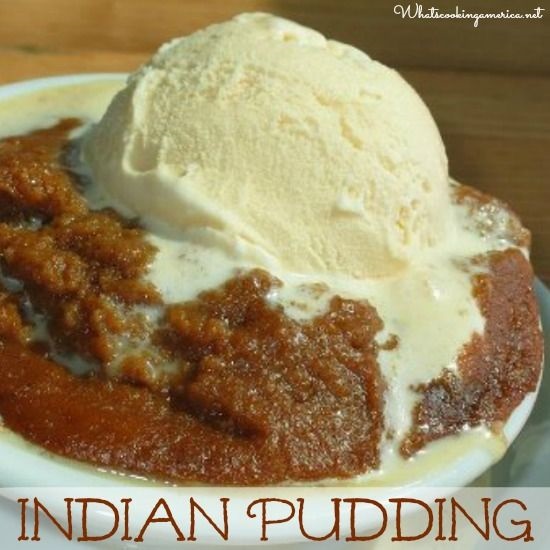
Indian Pudding Recipe is a traditional canada and usa dessert that beautifully blends history, comfort, and rich flavor in every bite. Made from wholesome ingredients like cornmeal, molasses, milk, eggs, butter, and warm spices, this creamy baked pudding has been a cherished part of American cuisine since colonial times.
Unlike its name might suggest, this dish isn’t from India—it’s an authentic American creation born in the kitchens of early settlers who replaced wheat flour with “Indian meal,” or cornmeal. The result was a warm, silky pudding with a deep caramel-like sweetness and custard-like texture that became a comforting staple across generations.
Today, the Indian Pudding Recipe remains a nostalgic favorite, loved for its cozy, homemade charm and timeless flavor. Whether you serve it warm with vanilla ice cream or enjoy it chilled, this old-fashioned dessert brings a taste of American heritage to your table.
What is Indian Pudding?
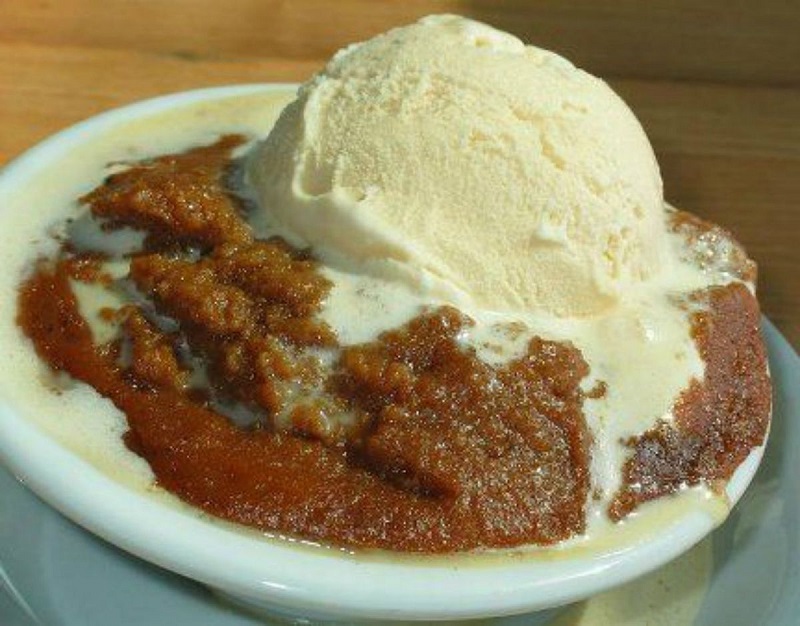
Indian Pudding is a beloved dessert in American cuisine, known for its rich, comforting flavors and warm, spiced aroma. With deep roots in Colonial America, this dish has been passed down through generations and remains a cherished winter treat, particularly during Thanksgiving. Often compared to rice pudding or custard pudding, it stands out for its unique use of cornmeal, earning it the distinctive name “Indian” pudding. Let’s dive into the history, cultural significance, and enduring popularity of this classic dessert.
Historical Background – Colonial America Origin
Indian Pudding Recipe dates back to the early days of Colonial America. It was originally made by Native Americans, who introduced European settlers to the use of cornmeal, known as “Indian meal,” as a staple food. The settlers adopted cornmeal and began using it in their own cooking, and over time, it became a key ingredient in a variety of traditional American dishes. Indian Pudding, as we know it today, emerged as a hearty and simple dish that could be made with the limited ingredients available at the time. It typically consisted of cornmeal, molasses, milk, and spices like cinnamon and ginger, offering both comfort and sustenance.
Why It’s Called “Indian” Pudding
The name “Indian Pudding Recipe” directly refers to the use of “Indian meal,” or cornmeal, which was introduced to early settlers by Native Americans. The word “Indian” in the pudding’s name reflects the contribution of indigenous food knowledge and ingredients to early American cuisine. At the time, cornmeal was a vital part of survival for settlers, and the Native American influence on food preparation is evident in many early American dishes. Thus, the name honors the indigenous people who played a significant role in shaping American culinary traditions.
Key Takeaways:
- “Indian meal” refers to cornmeal, a staple introduced by Native Americans.
- The name celebrates the contribution of Native Americans to early American food culture.
- It reflects a blend of indigenous ingredients and European cooking methods.
Ingredients and Meaning Behind the Name
| Original Ingredient | Colonial Substitute | Resulting Dish |
|---|---|---|
| Wheat flour | Cornmeal (“Indian meal”) | Thick, hearty pudding |
| Sugar | Molasses | Deep, sweet flavor |
| Butter & Milk | Same | Creamy texture |
This combination of ingredients is what makes the Indian Pudding Recipe unique compared to other puddings like rice pudding or custard. The molasses gives it a dark, rich sweetness, while the cornmeal provides a comforting, slightly grainy texture.
Cultural Connection – Thanksgiving and Winter Dessert
Indian Pudding Recipe is most commonly associated with Thanksgiving, where it has been served as a traditional dessert for generations. Its warm, spiced flavors and rich texture make it the perfect choice for cold autumn and winter months. The dessert embodies the spirit of comfort and nostalgia, evoking memories of early American gatherings. In fact, Indian Pudding is often regarded as a symbol of both Thanksgiving and the broader American holiday season, bringing families together over a shared history.
- Thanksgiving Tradition: A beloved dessert served during the Thanksgiving feast.
- Winter Comfort: The warm, spiced aroma makes it a perfect winter dessert.
- Cultural Legacy: Keeps the traditions of early American settlers alive in modern kitchens.
Comparison with Rice Pudding and Custard Pudding
| Dessert | Main Ingredient | Texture | Flavor |
|---|---|---|---|
| Rice Pudding | Rice | Creamy | Mild, sweet |
| Custard Pudding | Eggs & Milk | Silky | Vanilla-rich |
| Indian Pudding | Cornmeal & Molasses | Thick, hearty | Spiced, deep sweetness |
Unlike other puddings, Indian pudding’s unique texture and warm, molasses-forward flavor make the Indian Pudding Recipe stand out as a comforting, timeless dessert.
Why It’s Known as a Symbol of American Comfort Food
Indian Pudding Recipe is widely recognized as an iconic American comfort food. It represents the practicality and ingenuity of early settlers who used locally available ingredients to create a filling and nourishing dessert. The pudding’s simplicity and hearty texture have made it a staple in American kitchens for centuries. Even today, it is a symbol of nostalgia and home, evoking the warmth and comfort of family gatherings and traditional meals.
- Nostalgic Comfort: A dish that evokes warmth, home, and tradition.
- Cultural Legacy: A dessert that has remained a part of American cuisine for generations.
- Hearty and Simple: Reflects the resourcefulness of early American settlers.
Ingredients for Indian Pudding (With Measurements & Tips)
Indian Pudding Recipe is a beloved American dessert with deep historical roots, known for its rich flavors and comforting texture. Made with simple yet essential ingredients, each element plays a crucial role in creating the perfect pudding. Whether you’re preparing it for Thanksgiving or enjoying it on a cold winter evening, understanding the ingredients for Indian Pudding will help you achieve the ideal texture, flavor, and aroma. In this guide, we’ll break down the ingredients in detail and provide tips for making the best Indian Pudding recipe.
Full Ingredients List for Indian Pudding
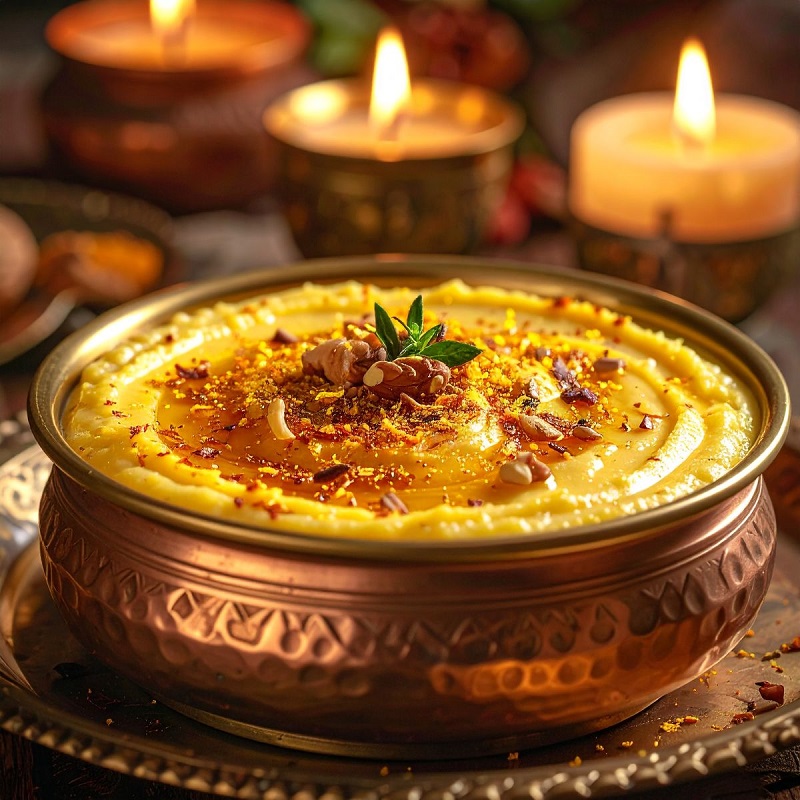
For a classic Indian Pudding recipe, here is the full list of cornmeal pudding ingredients you’ll need, with their measurements:
- 1/2 cup cornmeal (Indian meal)
- 4 cups milk
- 1/2 cup molasses
- 1/2 cup brown sugar
- 1 teaspoon ground cinnamon
- 1/2 teaspoon ground ginger
- 1/4 teaspoon ground nutmeg
- 1/4 teaspoon salt
- 2 large eggs, beaten
- 1 tablespoon butter
Optional Toppings:
- Vanilla ice cream
- Whipped cream
- Chopped nuts (such as pecans or walnuts)
The Role of Each Ingredient in Indian Pudding
Cornmeal (1/2 cup)
Cornmeal is the primary base ingredient for Indian Pudding, giving it its signature texture. As the pudding bakes, the cornmeal thickens and creates a firm, pudding-like consistency that is both satisfying and hearty. Stone-ground cornmeal is the best option for an authentic flavor, as it retains more natural oils and delivers a rustic, rich taste.
Molasses (1/2 cup)
Molasses is the secret ingredient that imparts a deep, caramel-like flavor to the Indian Pudding recipe. It’s the primary sweetener in this dessert, giving it a rich, dark color and complex sweetness. The bold, slightly bitter notes of molasses perfectly complement the other ingredients, offering a layer of depth that is characteristic of this classic dish.
Butter (1 tablespoon)
Butter adds essential creaminess and richness to the pudding. It enhances the texture, making it smoother and more velvety. The butter also balances the sweetness of the molasses and brown sugar, providing a well-rounded flavor profile. It’s an important ingredient to help bring all the flavors together.
Milk (4 cups)
Milk is the foundation for the smooth consistency of Indian Pudding. It helps dissolve the cornmeal and provides a creamy base for the dessert. The amount of milk ensures that the pudding reaches the right consistency, neither too thick nor too runny. Whole milk is typically preferred for a richer taste, but you can substitute with lower-fat milk if desired.
Spices (Cinnamon, Ginger, Nutmeg)
- Cinnamon (1 teaspoon): Adds a sweet, aromatic flavor that pairs beautifully with molasses and butter. It is a key spice in Indian Pudding and creates that warm, nostalgic smell.
- Ginger (1/2 teaspoon): Gives a subtle spicy kick that contrasts with the sweetness of the molasses. Ginger’s warming properties make it a perfect addition to this winter dessert.
- Nutmeg (1/4 teaspoon): Nutmeg’s delicate flavor adds a bit of depth and complexity to the pudding’s aroma. Its subtlety enhances the overall spice profile.
These spices, when combined, create the signature warm, inviting aroma that makes Indian Pudding Recipe such a comforting treat.
Salt (1/4 teaspoon)
A small amount of salt is added to balance the sweetness of the molasses and brown sugar. It enhances the overall flavor and helps the dessert feel well-rounded rather than overly sweet.
Eggs (2 large, beaten)
Eggs are essential in setting the pudding. They help bind the ingredients together and provide structure. As the pudding bakes, the eggs allow the mixture to firm up, creating a custard-like consistency that is both smooth and substantial.
Optional Toppings for Indian Pudding Recipe
While Indian Pudding Recipe is delicious on its own, adding toppings can elevate the dessert even further. Here are some optional toppings you can use:
- Vanilla Ice Cream: The cold, creamy ice cream creates a beautiful contrast with the warm, spiced pudding.
- Whipped Cream: A dollop of whipped cream adds lightness and sweetness, enhancing the pudding’s richness.
- Chopped Nuts: Add a crunchy texture with nuts like pecans or walnuts. They bring an extra layer of flavor and texture to the dessert.
Pro Tip: Use Stone-Ground Cornmeal for Authentic Flavor
For the best Indian Pudding recipe, opt for stone-ground cornmeal. Unlike regular cornmeal, stone-ground cornmeal retains more of the corn’s natural oils, giving the pudding a deeper, more authentic flavor. It also offers a coarser texture that adds to the rustic, comforting feel of this dessert. If you can find it, stone-ground cornmeal will take your cornmeal pudding to the next level.
How to Make Indian Pudding Step-by-Step (Traditional Method)
If you’re looking for a comforting and nostalgic dessert, Indian Pudding is the perfect choice. This traditional American dish, made with cornmeal and rich spices, is a great way to bring warmth and flavor to your table. In this guide, we’ll show you exactly how to make Indian Pudding step-by-step, using the traditional method. Whether you’re a seasoned baker or a beginner, this easy Indian Pudding recipe is simple to follow and delivers amazing results.
Step-by-Step Instructions
- Preheat Oven & Prepare Baking Dish
Preheat your oven to 325°F (160°C). Grease a 2-quart baking dish with butter or non-stick spray to prevent sticking. Proper preparation ensures even baking and a smooth, creamy texture for your Indian Pudding Recipe. - Heat Milk & Cornmeal
In a medium saucepan, slowly heat 4 cups of milk over medium heat. Gradually whisk in ½ cup of cornmeal to avoid lumps. Stir constantly until the mixture thickens slightly—this forms the hearty base for your Indian Pudding Recipe. - Add Molasses, Sugar, and Butter
Stir in ½ cup molasses, ½ cup brown sugar, and ¼ cup butter. Mix well until fully incorporated. These ingredients give the pudding its signature deep, caramel-like flavor. - Temper the Eggs
In a small bowl, lightly beat 2 large eggs. Slowly add a few tablespoons of the warm milk-cornmeal mixture into the eggs while whisking constantly. This prevents curdling and ensures a smooth custard. - Combine All Ingredients
Pour the tempered eggs back into the saucepan. Add 1 tsp cinnamon, ½ tsp nutmeg, ¼ tsp ginger, and ¼ tsp salt. Stir thoroughly to create a smooth, spiced mixture for your Indian Pudding Recipe. - Pour Into Baking Dish & Bake
Transfer the mixture to the prepared baking dish. Bake uncovered at 325°F (160°C) for 2–2.5 hours. The slow bake allows the flavors to meld and develops the pudding’s creamy, thick texture. - Check for Doneness
The pudding is ready when it’s soft but set, slightly wobbly in the center. A toothpick inserted should come out mostly clean. This step ensures your easy Indian Pudding recipe achieves the perfect custard-like consistency. - Let It Rest Before Serving
Allow the pudding to cool for 15–20 minutes. It will thicken as it rests, making it easier to slice and serve. - Optional Add-Ins & Toppings
Add raisins or a drizzle of maple syrup for extra flavor. Top with whipped cream or vanilla ice cream to enhance your Indian Pudding Recipe.
Why This Easy Indian Pudding Recipe is a Must-Try
By following these simple steps, you can make a classic, flavorful Indian Pudding that’s perfect for any occasion. This comforting dessert is ideal for Thanksgiving, winter holidays, or any time you want to enjoy a warm, satisfying treat. With the right ingredients and a little patience, you’ll have a delightful dessert that celebrates American culinary history.
The next time you crave a warm, delicious dessert, try this easy Indian Pudding recipe, and enjoy the cozy flavors of molasses, spices, and cornmeal in every bite. Whether served on its own or topped with vanilla ice cream or whipped cream, this pudding is a true American comfort food.
Alternative Cooking Methods for Indian Pudding (Slow Cooker & Instant Pot Versions)
Looking to make Indian Pudding Recipe in a more convenient, time-saving way? Whether you’re short on time or prefer a hands-off approach, both the slow cooker and Instant Pot provide excellent alternatives to the traditional oven-baking method. These methods can help you enjoy the rich, comforting flavors of Indian Pudding without spending hours in the kitchen. Below, we’ll explore how to make Indian Pudding in both a slow cooker and an Instant Pot, including the time adjustments and unique benefits of each method.
How to Make Indian Pudding in a Slow Cooker
Making slow cooker Indian Pudding is an ideal way to enjoy a comforting dessert with minimal effort. To adapt the traditional Indian Pudding recipe for the slow cooker, start by following the original recipe but instead of using the oven, transfer the pudding mixture to your slow cooker.
- Preparation: Grease your slow cooker insert and pour in the prepared pudding mixture.
- Cooking: Set the slow cooker to low and cook the pudding for 4 to 5 hours, stirring halfway through the cooking time for even texture.
Time Adjustments for Slow Cooker Indian Pudding:
- The slow cooker version requires 4 to 5 hours on the low setting. While the cooking time is longer, the slow cooking process allows the flavors to meld together, resulting in a creamy, soft pudding.
- Keep in mind that the slow cooker method will not produce the crispy edges found in oven-baked Indian Pudding Recipe, but it will yield a smooth, delicious dessert.
Benefits of Slow Cooker Indian Pudding:
- Hands-Free Cooking: Once the pudding is in the slow cooker, you don’t need to monitor it. This method allows for a hands-off cooking experience, freeing up your time for other tasks.
- Convenience: The slow cooker is perfect for busy days. You can prep the Indian Pudding recipe in the morning and have it ready by dinnertime.
- Consistent Results: Slow cooking allows the pudding to cook evenly, creating a comforting, soft texture.
How Instant Pot Changes the Texture of Indian Pudding
If you’re short on time but still want to enjoy the rich flavors of Indian Pudding, the Instant Pot offers a fast and efficient method. Using the Instant Pot cuts down on the cooking time dramatically while still maintaining the signature taste and texture of traditional Indian Pudding.
- Preparation: Combine the ingredients for Indian Pudding in the Instant Pot.
- Cooking: Set the Instant Pot to Manual mode on high pressure for 35 to 40 minutes.
- Pressure Release: Allow the Instant Pot to naturally release pressure for 10 minutes before opening the lid.
How Instant Pot Affects the Texture:
- Instant Pot Indian Pudding results in a denser, more custard-like texture compared to the slow cooker or oven methods. The pressure cooking process ensures a creamy consistency throughout the pudding, but it will not have the crispy edges of traditional baked Indian Pudding.
- The pudding will set faster, giving you a more consistent and smooth texture, perfect for those who enjoy a creamy, rich dessert without the wait.
Benefits of Instant Pot Indian Pudding:
- Time-Saving: The Instant Pot drastically reduces cooking time, allowing you to make Indian Pudding in under an hour. This is ideal for when you need a quick dessert for a dinner party or family gathering.
- Hands-Free Cooking: Once the pudding is in the Instant Pot, you can walk away and let the device do the work. No stirring or monitoring is necessary.
- Rich Flavor in Less Time: The Instant Pot locks in the flavors, making it an excellent method for those who want to enjoy a delicious Indian Pudding with minimal preparation and cooking time.
Expert Tips for Making the Perfect Indian Pudding
If you’re looking to create the perfect Indian Pudding, a few key tips can make all the difference. By following these Indian Pudding recipe recommendations, you’ll ensure a rich, creamy texture and deep, delicious flavor every time. From selecting the right ingredients to perfecting your cooking technique, these expert tips will help you achieve the best Indian pudding recipe possible.
Use Whole Milk for a Richer Flavor
Always use whole milk in your Indian Pudding Recipe. Whole milk provides a richer, creamier texture than low-fat or skim milk, creating a custard-like consistency that’s key to authentic New England pudding.
Avoid Overbaking
Overbaking can make your pudding dry and grainy. Check for doneness when the center is soft but set. This tip ensures your Indian Pudding Recipe retains its signature creamy interior while developing deep, caramelized flavors.
Don’t Skip Resting Time
Allow your pudding to rest for 15–20 minutes after baking. Resting lets the mixture thicken and flavors meld perfectly. Skipping this step can prevent your dessert from reaching the ideal texture and richness that makes it memorable.
Choose Dark Molasses for Depth
Dark molasses enhances the flavor of your Indian Pudding Recipe, giving it a bold, caramel-like sweetness. This simple swap can elevate your dessert to the best Indian Pudding Recipe, with a richer aroma and deeper color.
Mix Wet Ingredients Slowly
When combining eggs, milk, and molasses, add liquids gradually and whisk slowly. This prevents lumps, ensuring a smooth, silky custard that’s the hallmark of a high-quality Indian Pudding Recipe.
Storage & Reheating Tips
- Storage: Keep leftover pudding in an airtight container in the refrigerator for up to 4–5 days.
- Reheating: Warm gently in the oven or microwave, stirring occasionally. Top with whipped cream, vanilla ice cream, or toasted nuts for an indulgent finish.
Indian Pudding Variations You’ll Love
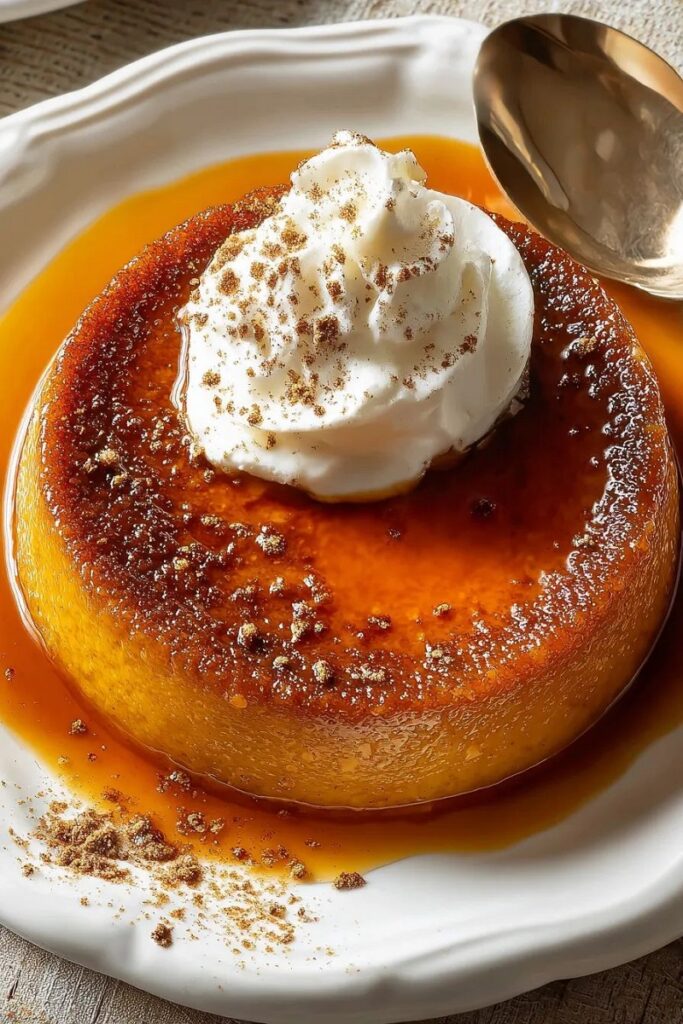
Indian Pudding is a classic dessert that can easily be customized to suit different tastes and dietary preferences. Whether you’re looking to add a seasonal twist, go dairy-free, or create mini servings for a party, there are several ways to make this comforting dessert even more delicious. Below, we’ll explore some popular Indian Pudding recipe variations that you’ll love.
Pumpkin Indian Pudding
Add 1 cup of pumpkin puree to your Indian Pudding Recipe for a warm, seasonal twist. The pumpkin blends seamlessly with cornmeal, molasses, and spices, creating a creamy texture and naturally sweet flavor. This pumpkin Indian pudding is perfect for fall and pairs beautifully with cinnamon, nutmeg, and a dollop of whipped cream.
Coconut Milk Pudding
For a dairy-free alternative, substitute whole milk with coconut milk. This variation maintains the signature creamy texture while adding a subtle tropical flavor. Ideal for those with lactose intolerance or anyone looking to try a unique spin on the classic Indian Pudding Recipe.
Vegan Indian Pudding
Make your pudding entirely plant-based by using almond milk and a flaxseed “egg” in place of dairy and eggs. This vegan Indian pudding keeps the thick, custard-like texture and rich, spiced flavor while catering to a vegan lifestyle—proving that indulgence doesn’t have to compromise dietary choices.
Mini Dessert Cups

For gatherings or individual servings, portion your Indian Pudding Recipe into small ramekins or cups. Bake or slow-cook as usual, then top each mini pudding with whipped cream, nuts, or a drizzle of maple syrup. These make-ahead treats are perfect for parties and allow everyone to enjoy a personal serving of this classic dessert.
Why Try These Variations?
These variations demonstrate the flexibility of the Indian Pudding Recipe, making it suitable for any season, dietary need, or celebration. From the rich flavors of pumpkin Indian pudding to the dairy-free coconut version and the vegan Indian pudding, each variation brings a fresh twist to this timeless comfort food while keeping the heartwarming essence intact.
Serving Suggestions – What to Serve with Indian Pudding
Indian Pudding is a comforting, spiced dessert that can be enjoyed in many different ways. Whether you’re serving it for a holiday gathering or as an everyday treat, there are several serving ideas for Indian Pudding that will make it even more enjoyable. From the temperature at which you serve it to the best toppings, here are some creative suggestions to elevate your Indian Pudding recipe.
Hot vs. Cold Serving
One of the first decisions when serving Indian Pudding is whether to serve it hot or cold. Both options offer unique experiences and can complement different occasions.
- Hot Serving: Traditionally, Indian Pudding is served warm, which enhances its comforting, creamy texture. The spices like cinnamon, ginger, and nutmeg are more aromatic when enjoyed hot, making it an ideal choice for fall and winter months.
- Cold Serving: For a refreshing twist, Indian Pudding can also be served cold. Chilled Indian Pudding has a firmer texture and can be a great option for warmer weather or when you want a different experience. The flavors are still rich and satisfying, but the texture changes to a denser, more custard-like consistency.
Best Toppings for Indian Pudding
The right toppings can elevate the flavors and presentation of your Indian Pudding recipe. Here are some of the best options to enhance your dessert:
- Ice Cream: A scoop of vanilla ice cream or cinnamon ice cream is a perfect pairing with the warm, spiced flavors of Indian Pudding. The cool, creamy texture of the ice cream contrasts beautifully with the pudding’s richness.
- Whipped Cream: A dollop of freshly whipped cream adds lightness and a sweet, airy contrast to the dense pudding. It’s a classic topping that balances the richness of the dessert.
- Nuts: For added texture, top Indian Pudding with chopped nuts such as pecans, walnuts, or almonds. The crunchiness provides a delightful contrast to the smoothness of the pudding.
- Caramel Drizzle: A warm caramel drizzle adds extra sweetness and richness to the dessert. It’s an indulgent topping that enhances the flavors and adds a visual appeal.
Pair with Coffee or Apple Cider
Pairing drinks with Indian Pudding can enhance the overall dining experience. Here are two excellent options:
- Coffee: A bold cup of coffee is the perfect drink to pair with Indian Pudding. The deep, roasted flavors of the coffee complement the warm spices in the pudding. For added flavor, try spiced coffee or a dark roast.
- Apple Cider: For a festive and refreshing pairing, serve Indian Pudding with apple cider. The fruity and tangy notes of the cider balance the richness of the pudding, making for a delightful combination.
Festive Presentation Ideas

If you’re serving Indian Pudding at a special occasion like Thanksgiving or Christmas, presentation is key to making it look as good as it tastes. Here are some creative ways to serve Indian Pudding:
- Individual Servings: Serve Indian Pudding in individual ramekins or mason jars for a personalized touch. This also makes for easier serving at parties or gatherings.
- Festive Garnishes: Top each serving with a sprinkle of ground cinnamon or nutmeg to add a warm, festive flair.
- Caramel Drizzle & Whipped Cream: A decorative swirl of caramel sauce and a dollop of whipped cream not only enhances the flavor but also makes the presentation look stunning.
Nutritional Information (Per Serving) for Indian Pudding
If you’re curious about the Indian Pudding calories and overall nutrition facts, it’s important to understand the nutritional content of this classic dessert. While Indian Pudding is undeniably comforting and rich in flavor, knowing its nutritional breakdown will help you enjoy it in moderation. Here’s an overview of the estimated calories, macronutrients, and key considerations for this indulgent treat.
Estimated Calories in Indian Pudding
A typical serving of Indian Pudding (about 1/2 cup) contains approximately 200–250 calories, depending on the specific ingredients and serving size. The calorie content primarily comes from the combination of cornmeal, molasses, and milk, with additional calories provided by butter and sugar. If you’re using full-fat dairy or adding extra toppings, the calorie count may be higher, so it’s a good idea to monitor your portions.
Carbohydrates, Fat, and Protein in Indian Pudding
| Nutrient | Amount |
|---|---|
| Carbohydrates | 40–45 g |
| Fat | 6–10 g |
| Protein | 5–7 g |
| Fiber | 2–3 g |
| Sugar | 15–18 g |
These nutrition facts show that Indian pudding offers a good balance of carbohydrates and protein, providing energy and satiety alongside its indulgent taste.
Gluten-Free Note
An important aspect of Indian Pudding is that it is naturally gluten-free. Since the primary ingredient, cornmeal, does not contain gluten, this dessert is safe for individuals with gluten sensitivities or celiac disease. However, always double-check ingredient labels for any potential gluten-containing additives or cross-contamination, especially in packaged items.
Portion Control & Serving Size Suggestion
When enjoying Indian Pudding, portion control is key. A typical serving size is around 1/2 cup to 2/3 cup, which provides a satisfying yet balanced portion of this indulgent dessert. You can also pair it with lighter options like fresh fruit or a hot beverage to create a more well-rounded meal while keeping calories in check.
Common Mistakes to Avoid While Making Indian Pudding
Making Indian Pudding can be a rewarding experience, but it’s easy to make a few mistakes that can affect the texture and flavor of this classic dessert. Here are some common Indian Pudding mistakes to watch out for, along with baking tips to ensure your pudding turns out perfectly every time.
1. Overheating the Milk
One of the most common Indian Pudding mistakes is overheating the milk. When combining milk and cornmeal, it’s important to heat the mixture gently over medium heat, stirring constantly to avoid scalding. Boiling the milk can cause it to curdle or develop an undesirable texture, making the pudding grainy. Gradually heat the milk to ensure smoothness, creating the perfect base for your Indian Pudding recipe.
2. Skipping Preheating the Oven
Another common mistake when making Indian Pudding is skipping the preheating step. Preheating the oven is essential for ensuring that the pudding cooks evenly from the moment it’s placed inside. If the oven isn’t hot enough when you start baking, the pudding may cook unevenly, resulting in a soft or watery texture. Always make sure your oven is fully preheated to 325°F (160°C) before baking.
3. Using the Wrong Molasses Type
Molasses plays a significant role in the flavor of Indian Pudding, and using the wrong type can change the overall taste. Using light molasses instead of dark molasses will result in a milder flavor, lacking the richness and depth typically found in Indian Pudding. Dark molasses adds a deep, caramel-like sweetness that’s essential for the authentic flavor of this dish.
4. Not Mixing Properly
Proper mixing is key when making Indian Pudding. If you don’t mix the ingredients well enough, you may end up with lumps in your pudding. To avoid this, mix the wet ingredients slowly and gradually incorporate the cornmeal mixture. Always temper the eggs before adding them to the hot mixture to prevent curdling and ensure a smooth texture.
5. Serving Too Soon
One of the final Indian Pudding mistakes is serving the pudding too soon. After baking, it’s important to let the Indian Pudding recipe rest for at least 30 minutes. This resting time allows the pudding to set properly, improving both its texture and flavor. Cutting it too early can result in a runny, unstable pudding.
Conclusion – Try This Traditional Indian Pudding Recipe Today!
Indian Pudding is a delightful and timeless American dessert that combines rich, comforting spices with a smooth, creamy texture. Originating in Colonial America, this classic pudding reflects the country’s culinary history and offers a delicious taste of tradition. Whether served warm for cozy gatherings or chilled for a refreshing treat, Indian Pudding continues to be a favorite for all seasons.
This best Indian pudding recipe brings together the perfect balance of cornmeal, molasses, and spices to create a dessert that is both heartwarming and indulgent. Its deep flavors and satisfying texture make it an unforgettable part of American dessert heritage.
If you’re looking to recreate the charm of this classic dessert, look no further. This Indian Pudding recipe is easy to follow and guarantees a delicious outcome that will have everyone asking for seconds. Plus, with simple ingredients and minimal prep, it’s a perfect dessert for any occasion.
We encourage you to try this recipe today and bring a taste of America’s history into your kitchen! After making this delicious dessert, we’d love to hear about your experience. Share your photos and thoughts in the comments below—did you try any fun variations, or perhaps add unique toppings? We’d love to see your creations!
Make this Indian Pudding Recipe today and enjoy a taste of America’s classic dessert heritage! Don’t forget to share your experience with friends and family—they’ll be sure to love it!
(FAQ)s
What is Indian pudding made of?
Indian Pudding is a traditional New England dessert made with cornmeal, milk, molasses, butter, eggs, sugar, and warm spices like cinnamon, nutmeg, and ginger. The cornmeal gives the pudding a thick, hearty texture, while molasses provides its rich sweetness and signature deep brown color.
Why is it called Indian pudding?
The term “Indian pudding” comes from cornmeal, historically referred to as “Indian meal” by European settlers in colonial America. This dessert reflects the influence of Native American ingredients and quickly became a classic New England comfort food.
Can I make it without molasses?
Yes, but molasses is essential for authentic flavor and color. You can substitute with maple syrup, honey, or brown sugar, though the taste and richness may vary. For the most traditional result, using at least some dark molasses in your Indian Pudding Recipe is recommended.
Can I use maple syrup instead of molasses?
Absolutely! Maple syrup offers a lighter, sweeter alternative that still complements the spices. Combining it with a little brown sugar can help mimic the depth of flavor provided by molasses, resulting in a delicious twist on the classic Indian Pudding Recipe.
How long does it take to bake Indian pudding?
A traditional oven-baked Indian Pudding Recipe usually takes 2–2.5 hours at 325°F (160°C). Slow cookers or Instant Pots can shorten or lengthen this time, but either method produces the same creamy, custard-like texture.
Can I make Indian pudding ahead of time?
Yes! Preparing it a day in advance allows flavors to meld beautifully. Refrigerate and gently reheat before serving, or enjoy it chilled. Individual ramekins make it convenient for make-ahead servings and portion control.
Should Indian pudding be served warm or cold?
Both are delicious. Warm pudding is comforting and creamy, ideal for cold evenings, while chilled pudding firms up and works well for parties or mini dessert cups. Toppings like whipped cream, ice cream, nuts, or caramel drizzle enhance your Indian Pudding Recipe regardless of serving temperature.