Introduction
Plant Based Diet for Beginners is more than just a trend—it’s a powerful lifestyle shift toward better health, sustainability, and long-term wellness. In 2025, millions of people are embracing the plant-based movement to enjoy cleaner energy, improved digestion, glowing skin, and a reduced carbon footprint.
When I first explored a plant based diet, I thought it would be complicated—no cheese, no meat, no problem? But within a few weeks, I realized the opposite: plant-based meals are colorful, flavorful, and deeply satisfying. From creamy oat smoothies to hearty lentil curries, every dish opened a new world of taste and vitality. That personal transformation inspired me to help others take the same step—especially those just starting out.
This guide, Plant Based Diet for Beginners, will walk you through everything you need to know to transition smoothly. You’ll learn what to eat, what to avoid, and how to create balanced, nutrient-rich meals that nourish your body and mind. You’ll also get a 7-day plant-based meal plan, expert-approved nutrition advice, and real-world tips for staying consistent without feeling restricted.
Whether your goal is to lose weight naturally, lower your cholesterol, or live more sustainably, the Plant Based Diet for Beginners offers a simple, flexible path forward. No extreme restrictions—just whole, delicious foods that help you thrive.
By the end of this guide, you’ll understand how small food choices can bring big health changes. So grab your grocery list, open your mind to new flavors, and start building a body and lifestyle that truly support your best self.
What Is a Plant-Based Diet? (Definition & Core Principles)
A Plant Based Diet for Beginners is a dietary approach centered on whole, minimally processed foods derived primarily from plants. Unlike common misconceptions, it’s not just about eating vegetables or avoiding meat—it’s about making nutritious choices that prioritize fruits, vegetables, whole grains, legumes, nuts, and seeds. This style of eating emphasizes health, energy, and long-term wellness while minimizing highly processed foods and animal products.
Many beginners confuse a plant-based diet with vegetarianism or veganism, but there are key differences. Vegetarians avoid meat, poultry, and fish but may still eat dairy and eggs. Vegans eliminate all animal products entirely. A Plant Based Diet for Beginners, however, is more flexible: it focuses on the benefits of plant foods without strictly banning animal products. This makes it easier for beginners to adopt and maintain a healthier lifestyle sustainably. For those wondering what is plant based diet for beginners, it is essentially a diet designed to maximize plant-derived nutrients while keeping meals satisfying and diverse.
What Foods Are Included in a Plant-Based Diet?
When following a Plant Based Diet for Beginners, the focus is on whole, unprocessed foods that come from plants. These nutrient-rich foods include:
- Whole grains: Brown rice, quinoa, oats, barley, farro, and whole wheat products.
- Legumes: Beans (black beans, kidney beans), lentils, chickpeas, peas, and soy-based products.
- Nuts and seeds: Almonds, walnuts, chia seeds, flaxseeds, and sunflower seeds.
- Fruits: Fresh fruits such as apples, bananas, berries, citrus fruits, melons, and tropical fruits.
- Vegetables: Leafy greens (spinach, kale), cruciferous vegetables (broccoli, cauliflower), root vegetables (sweet potatoes, carrots), and a variety of other colorful veggies.
These plant-based foods are packed with essential vitamins, minerals, fiber, and antioxidants, all of which play a significant role in supporting immune function, heart health, digestive health, and overall vitality.
What Foods Are Limited or Excluded?
In a Plant Based Diet for Beginners, certain foods are either limited or completely excluded to maximize health benefits:
- Meat: Beef, pork, poultry, fish, and other animal proteins.
- Dairy: Milk, cheese, yogurt, and other dairy-based foods.
- Refined sugars: White sugar, processed sugary snacks, sugary drinks, and high-sugar desserts.
By reducing or eliminating these foods, a Plant Based Diet for Beginners can help lower the risk of chronic health issues, such as heart disease, diabetes, and certain types of cancer. It also promotes a healthier digestive system, helps with weight management, and supports better energy levels throughout the day.
Why Choose a Plant-Based Diet? (Science-Backed Benefits)
A Plant Based Diet for Beginners offers numerous health benefits backed by science, making it one of the most effective ways to improve overall wellness. One of the most significant advantages is improved heart health. Diets rich in whole grains, legumes, nuts, fruits, and vegetables have been shown to lower cholesterol, reduce blood pressure, and decrease the risk of cardiovascular disease. By prioritizing plant-derived nutrients over saturated fats found in animal products, a Plant Based Diet for Beginners promotes long-term heart health and vitality.
Natural Weight Management
A plant-based approach naturally supports healthy weight management. Foods like vegetables, fruits, whole grains, and legumes are high in fiber and low in calories, which helps you feel full while controlling calorie intake. Research shows that individuals following aPlant Based Diet for Beginners often experience healthier body weight, improved metabolism, and lower risk of obesity-related complications. Fiber-rich plant foods also aid digestion, stabilize blood sugar levels, and promote sustained energy throughout the day.
Reduced Risk of Chronic Diseases
Adopting a Plant Based Diet for Beginners has been linked to a lower risk of type 2 diabetes and hypertension. Studies indicate that consuming a variety of plant foods—including beans, lentils, vegetables, and whole grains—improves insulin sensitivity, stabilizes blood sugar, and helps maintain healthy blood pressure. These outcomes highlight the many benefits of plant based diet for beginners, making it an effective strategy for long-term disease prevention.
Stronger Immunity and Better Skin
A plant-focused diet is rich in antioxidants, vitamins, and phytonutrients, which support immune function and promote healthy, glowing skin. Many beginners report clearer skin, increased energy, and overall enhanced well-being after consistently following a Plant Based Diet for Beginners.
Real-Life Research & Case Studies
Scientific studies and real-life examples further validate these benefits. Population research shows reduced rates of heart disease and obesity among plant-based eaters, while clinical trials demonstrate improvements in weight management, metabolic health, and skin quality. The evidence is clear: a Plant Based Diet for Beginners is not just a trend—it’s a proven approach to better health.
Common Myths About Plant-Based Diets (Debunked!)
A Plant Based Diet for Beginners is often surrounded by myths that can make starting out seem intimidating. Let’s debunk the most common misconceptions with expert-backed facts, so you can approach this lifestyle with confidence.
Myth 1: “You can’t get enough protein.”
Many people assume that a Plant Based Diet for Beginners lacks sufficient protein. In reality, plant foods provide ample protein when planned correctly. Lentils, beans, chickpeas, tofu, tempeh, quinoa, nuts, and seeds are excellent sources of protein. Combining different plant proteins throughout the day ensures all essential amino acids are covered. Nutrition experts confirm that plant-based eaters can maintain muscle mass, support fitness goals, and meet daily protein needs without consuming meat or dairy.
Myth 2: “Plant-based food is expensive.”
Another misconception is that eating plant-based is costly. Staples such as beans, lentils, rice, oats, seasonal vegetables, and frozen fruits are nutrient-dense, versatile, and budget-friendly. Planning meals and buying in bulk can reduce costs significantly. A plant-based diet for beginners doesn’t require expensive superfoods—simple, whole ingredients are often the most economical and sustainable.
Myth 3: “It’s boring or hard to follow.”
Some beginners worry that plant-based meals are monotonous. On the contrary, a plant-based diet for beginners offers endless variety and flavors. From colorful salads and hearty soups to stir-fries and plant-based pastas, meals can be exciting, satisfying, and easy to prepare. Using herbs, spices, and creative cooking techniques ensures every meal is delicious and enjoyable.
Myth 4: “You’ll feel tired or weak.”
Concerns about energy levels are common, but a well-planned Plant Based Diet for Beginners can actually boost energy. Nutrient-rich foods, high in fiber, vitamins, minerals, and antioxidants, fuel the body efficiently. Experts note that many beginners report improved digestion, sustained energy, and enhanced overall well-being after switching to plant-focused eating.
Expert Insights
Dietitians and nutritionists consistently emphasize that plant-based diets are safe, nutritious, and sustainable when properly planned. Understanding the facts helps beginners overcome fears and confidently adopt a plant-based diet for beginners.
Plant Based Diet for Beginners: The Ultimate Step-by-Step Guide
Switching to a plant-based lifestyle can feel overwhelming, but a Plant Based Diet for Beginners doesn’t have to be complicated. With the right guidance, you can start eating healthier, boosting energy, and improving overall wellness. This guide is perfect for anyone searching for how to start plant based diet for beginners and wants a clear, actionable plan.
Step 1: Start with One Meal a Day
Transitioning gradually is key. Start by making just one meal a day plant-based. This approach allows your body to adjust while keeping your routine manageable.
Meal ideas for beginners:
- Breakfast: Overnight oats, smoothie bowls, chia pudding
- Lunch: Grain bowls, fresh vegetable salads, wraps
- Dinner: Stir-fried vegetables, hearty soups, plant-based pasta
Starting small is the first step for anyone learning how to start plant based diet for beginners without feeling stressed or deprived.
Step 2: Stock Your Kitchen with Whole Foods
A well-stocked kitchen makes plant-based eating simple and enjoyable. Focus on fresh, nutrient-dense ingredients:
- Fruits & vegetables: seasonal, colorful, fresh or frozen
- Whole grains: quinoa, brown rice, oats, barley
- Legumes: lentils, beans, chickpeas
- Nuts & seeds: almonds, walnuts, chia, flax
- Healthy oils: olive oil, avocado oil
Avoid relying on processed vegan foods at first. A pantry full of whole foods is a game-changer for anyone starting a Plant Based Diet for Beginners.
Step 3: Learn to Read Nutrition Labels
Even plant-based foods can contain hidden sugars, sodium, or unhealthy fats. Understanding nutrition labels ensures you stay healthy and balanced.
Tips for beginners:
- Check protein and fiber content
- Avoid added sugars and highly processed ingredients
- Look for essential vitamins and minerals
Reading labels is an important skill for anyone wanting to master how to start plant based diet for beginners while maintaining optimal nutrition.
Step 4: Cook Simple and Delicious Recipes
Cooking at home is the most effective way to enjoy healthy plant-based meals. Start with easy, tasty recipes that don’t overwhelm your schedule.
Beginner-friendly recipes:
- Stir-fries with tofu or tempeh
- Grain bowls with roasted vegetables
- Soups, stews, and one-pot dishes
Use herbs, spices, and plant-based sauces to boost flavor. Delicious meals are essential to sticking with a Plant Based Diet for Beginners long-term.
Step 5: Join Supportive Communities
Support and accountability make the plant-based transition easier.
- Join online forums, social media groups, or local meetups
- Exchange recipes, tips, and encouragement
- Share challenges and celebrate successes
Being part of a supportive community motivates beginners and makes how to start plant based diet for beginners more achievable.
7-Day Beginner-Friendly Plant Based Meal Plan
Transitioning to a Plant Based Diet for Beginners is easier when you have a structured meal plan. This plant based meal plan for beginners is designed to be simple, nutritious, and flavorful, making it perfect for anyone new to plant-based eating. With balanced breakfasts, lunches, dinners, snacks, and prep tips, you’ll stay on track all week.
Breakfast Ideas
Start your mornings with easy, energizing plant-based options:
- Oatmeal: Top with fresh berries, chia seeds, and almond butter for protein and fiber.
- Smoothies: Blend spinach, banana, frozen berries, and plant-based protein powder.
- Avocado Toast: Whole-grain bread with avocado, cherry tomatoes, and sprouts.
These breakfast options are quick, nutrient-packed, and ideal for beginners following a Plant Based Diet for Beginners.
Lunch Ideas
Fuel your afternoon with satisfying plant-based meals:
- Quinoa Bowls: Roasted vegetables, chickpeas, and tahini dressing.
- Lentil Soup: Carrots, celery, and aromatic spices for a hearty, protein-rich option.
- Veggie Wraps: Hummus, leafy greens, and shredded vegetables in a whole-grain wrap.
These lunches make it easy to stick to your plant based meal plan for beginners while keeping energy levels high.
Dinner Ideas
Enjoy wholesome, flavorful dinners that are easy to prepare:
- Tofu Stir-Fry: Mixed vegetables sautéed with tofu and brown rice.
- Vegetable Curry: Chickpeas, coconut milk, and quinoa for a protein-packed meal.
- Whole-Grain Pasta: Tossed with marinara sauce and roasted seasonal vegetables.
Simple, nutrient-dense dinners help anyone following a Plant Based Diet for Beginners maintain consistency and satisfaction.
Snacks & Desserts
Healthy snacks keep cravings at bay and add variety:
- Energy Balls: Made from oats, dates, and nut butter.
- Fruit Parfaits: Layer plant-based yogurt with granola and fresh fruit.
- Fresh Veggies & Hummus: Quick, crunchy, and protein-rich.
These options make your plant based meal plan for beginners practical and enjoyable.
Grocery List & Prep Tips
- Fruits & Vegetables: Seasonal, fresh, or frozen.
- Grains: Quinoa, brown rice, oats, whole-grain pasta.
- Protein Sources: Tofu, lentils, beans, chickpeas.
- Nuts & Seeds: Almonds, chia, flax, walnuts.
- Prep Tips: Cook grains and legumes in bulk, chop vegetables in advance, and store meals in airtight containers.
Following this grocery list and prep routine ensures a smooth start for anyone adopting a Plant Based Diet for Beginners.
Must-Have Pantry Essentials for a Plant Based Kitchen
A well-stocked pantry is essential for anyone starting a Plant Based Diet for Beginners. Having the right staples on hand not only simplifies meal prep but also ensures balanced nutrition and consistent adherence to your plant-based lifestyle. This guide covers must-have ingredients, flavor boosters, budget-friendly shopping tips, and storage strategies to help you succeed.
Essential Staples: Whole Grains, Nuts, Seeds, Legumes & Plant-Based Milks
For a strong foundation in a Plant Based Diet for Beginners, focus on nutrient-dense pantry staples:
- Whole Grains: Brown rice, quinoa, oats, barley, and whole-grain pasta provide fiber and sustained energy.
- Legumes: Lentils, chickpeas, black beans, and kidney beans are protein-packed and versatile.
- Nuts & Seeds: Almonds, walnuts, chia seeds, flaxseeds, and pumpkin seeds supply healthy fats and micronutrients.
- Plant-Based Milks: Almond, soy, oat, or cashew milk for smoothies, cereals, or cooking.
These staples are the backbone of any plant based meal plan for beginners, helping you create quick, nutritious meals with ease.
Flavor Boosters: Herbs, Spices & Sauces
Plant-based eating is far from bland when you use the right flavor enhancers:
- Herbs: Basil, parsley, cilantro, rosemary, thyme
- Spices: Turmeric, cumin, paprika, chili flakes, cinnamon
- Condiments & Sauces: Soy sauce, tahini, nutritional yeast, hot sauce
Incorporating these ingredients ensures every meal in your Plant Based Diet for Beginners is flavorful, satisfying, and enjoyable.
Smart Shopping Tips for Beginners
Eating plant-based on a budget is achievable with strategic shopping:
- Buy grains, legumes, and seeds in bulk
- Choose seasonal fruits and vegetables
- Compare prices for plant-based milks or make homemade versions
- Watch for discounts and store-brand alternatives
Following these tips makes sticking to a plant based meal plan for beginners affordable and sustainable.
Storage Tips for Freshness & Waste Reduction
Proper storage keeps your pantry organized and minimizes food waste:
- Store grains and legumes in airtight containers
- Refrigerate or freeze nuts and seeds to maintain freshness
- Freeze leftover plant-based milk or sauces
- Label containers with dates to track freshness and rotation
Delicious and Easy Plant-Based Recipes to Try
If you’re wondering what to eat on a plant-based diet for beginners, don’t worry—delicious and simple recipes are just a few ingredients away! Here are three easy and nutritious plant-based recipes that are perfect for beginners. These meals are not only tasty but also packed with essential nutrients to keep you feeling your best.
1. Chickpea Curry
Chickpea curry is a quick and flavorful dish that’s perfect for beginners. This comforting meal is rich in plant-based protein, fiber, and iron.
Prep Time: 10 minutes
Cook Time: 20 minutes
Calories: 350 per serving
Ingredients:
- 1 can of chickpeas, drained and rinsed
- 1 can of coconut milk
- 1 onion, chopped
- 2 garlic cloves, minced
- 1 tablespoon curry powder
- 1 teaspoon turmeric
- 1 tablespoon olive oil
- Salt and pepper to taste
- Fresh cilantro (optional)
Instructions:
- Heat olive oil in a large pan over medium heat.
- Add onions and garlic, and sauté until soft.
- Stir in curry powder and turmeric, cooking for 1-2 minutes.
- Add chickpeas and coconut milk. Bring to a simmer and cook for 10-15 minutes until the sauce thickens.
- Season with salt and pepper to taste. Garnish with fresh cilantro, if desired.
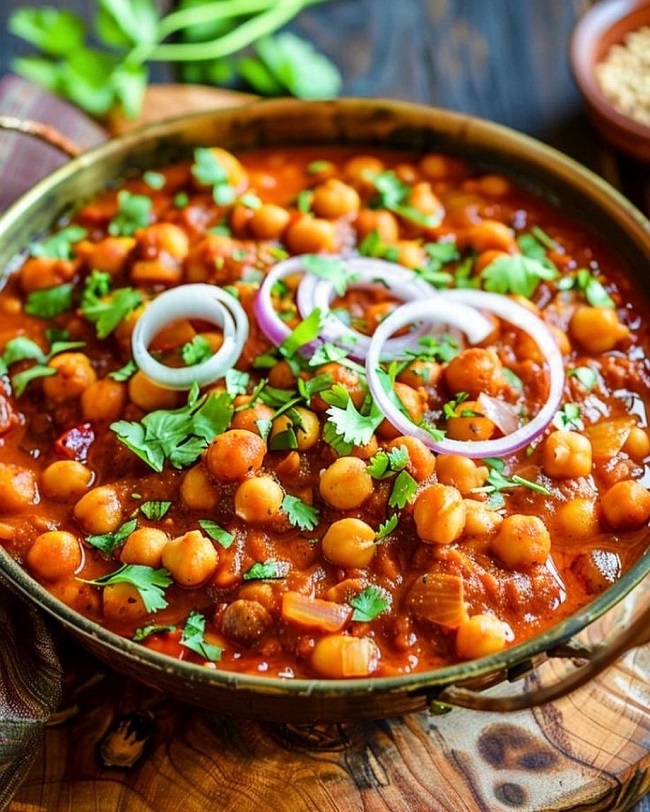
Nutritional Benefits: Chickpeas provide protein and fiber, while coconut milk adds healthy fats. The spices turmeric and curry powder offer anti-inflammatory properties, making this dish both comforting and health-boosting.
2. Green Smoothie Bowl
This green smoothie bowl is an excellent choice for a quick breakfast or snack. It’s packed with vitamins, minerals, and antioxidants to help boost your immune system.
Prep Time: 5 minutes
Calories: 300 per bowl
Ingredients:
- 1 frozen banana
- 1 cup spinach or kale
- 1/2 cup unsweetened almond milk
- 1 tablespoon chia seeds
- 1/2 cup mixed berries (e.g., blueberries, strawberries)
- 1 tablespoon almond butter (optional)
Instructions:
- Combine the frozen banana, spinach (or kale), almond milk, chia seeds, and mixed berries in a blender.
- Blend until smooth, adding more almond milk if necessary.
- Pour into a bowl and top with almond butter and additional fruit if desired.
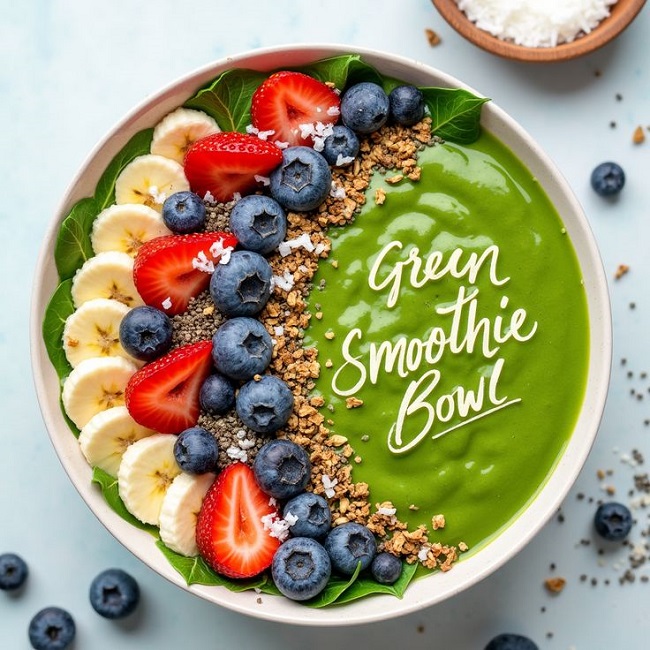
Nutritional Benefits: This smoothie bowl is a nutrient powerhouse, providing fiber, antioxidants, and healthy fats. Spinach and kale are loaded with vitamins A, C, and K, while chia seeds offer omega-3 fatty acids, perfect for heart health and energy.
3. Vegan Chili
A hearty vegan chili is the perfect dish for meal prep, offering loads of plant-based protein and fiber from beans and vegetables.
Prep Time: 10 minutes
Cook Time: 30 minutes
Calories: 400 per serving
Ingredients:
- 1 can of black beans, drained and rinsed
- 1 can of kidney beans, drained and rinsed
- 1 can of diced tomatoes
- 1 onion, chopped
- 1 bell pepper, chopped
- 2 cloves garlic, minced
- 1 tablespoon chili powder
- 1 teaspoon cumin
- 1 teaspoon smoked paprika
- Salt and pepper to taste
- 1 tablespoon olive oil
Instructions:
- Heat olive oil in a large pot over medium heat.
- Add the onion, bell pepper, and garlic, and sauté until soft.
- Stir in chili powder, cumin, and smoked paprika, cooking for 1 minute.
- Add beans, tomatoes, salt, and pepper. Stir well, then bring to a simmer.
- Let the chili simmer for 20-30 minutes, stirring occasionally. Add water or vegetable broth if you need to thin the chili.
- Serve with toppings like avocado, cilantro, or a squeeze of lime.
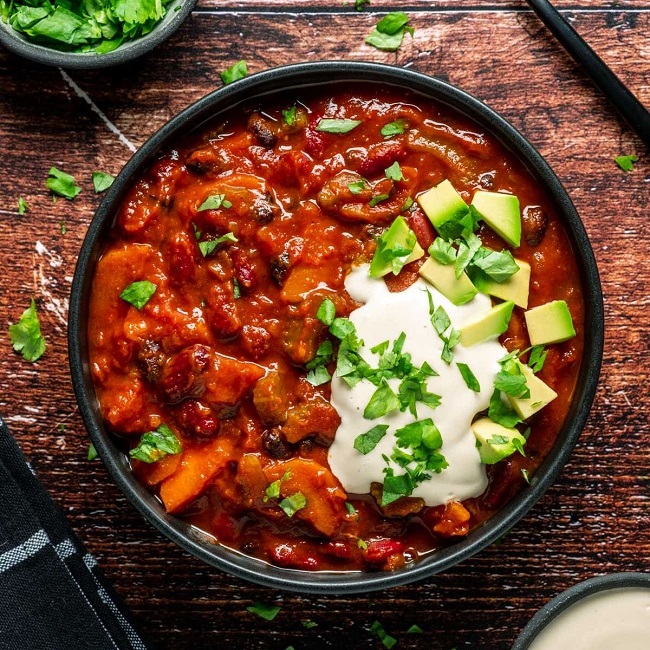
Nutritional Benefits: This vegan chili is high in fiber and protein, thanks to the beans. The spices help reduce inflammation, and the dish is rich in vitamins and minerals, making it a perfect comfort meal for a Plant Based Diet for Beginners.
4. Sweet Potato and Black Bean Tacos
These tacos are an easy and satisfying meal that combines the sweetness of roasted sweet potatoes with the heartiness of black beans.
Prep Time: 15 minutes
Cook Time: 25 minutes
Calories: 350 per serving
Ingredients:
- 2 sweet potatoes, peeled and diced
- 1 can of black beans, drained and rinsed
- 1 teaspoon cumin
- 1 tablespoon olive oil
- Salt and pepper to taste
- Corn tortillas
- Lime wedges (optional)
- Fresh cilantro (optional)
Instructions:
- Preheat your oven to 400°F (200°C). Toss the diced sweet potatoes with olive oil, cumin, salt, and pepper.
- Roast for 20-25 minutes until tender and slightly crispy.
- Heat black beans in a pot or microwave until warmed.
- Assemble the tacos by placing roasted sweet potatoes and black beans in tortillas. Top with fresh cilantro and a squeeze of lime.
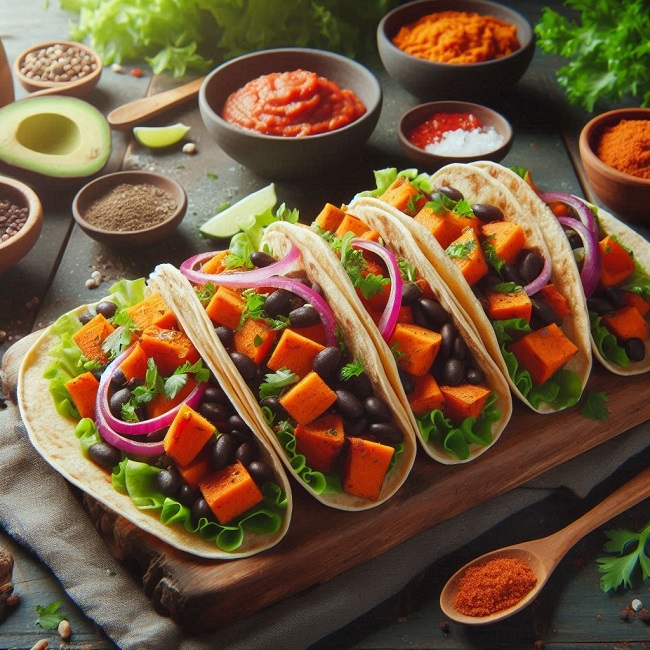
Nutritional Benefits: Sweet potatoes are rich in beta-carotene (vitamin A), while black beans provide a good source of protein and fiber. These tacos are a simple and nutrient-packed meal for anyone following a plant-based diet for beginners.
Overcoming Challenges on a Plant Based Diet
Starting a Plant Based Diet for Beginners is exciting, but it comes with challenges that can test your commitment. From cravings and social pressures to restaurant dining and energy management, knowing how to navigate these obstacles is key. This guide offers practical tips, motivational strategies, and solutions to help you stick with a plant based meal plan for beginners while enjoying your journey.
Handling Cravings for Non-Plant Foods
Cravings for non-plant foods are normal, especially during the early stages of a Plant Based Diet for Beginners. Here’s how to manage them:
- Keep healthy snacks accessible: Energy balls, fruit, nuts, or roasted chickpeas curb cravings.
- Try plant-based alternatives: Vegan cheese, yogurt, or plant-based meats can satisfy your taste buds.
- Practice mindful eating: Focus on flavors, textures, and portion control to enjoy meals fully.
These strategies make it easier to stay consistent and reduce the temptation of processed or non-plant foods.
Eating Out at Restaurants
Eating out doesn’t have to disrupt your plant-based lifestyle:
- Check menus ahead of time: Look for salads, grain bowls, vegetable stir-fries, or vegan-friendly dishes.
- Ask for substitutions: Most restaurants can replace meat or dairy with plant-based options.
- Plan ahead: Eating a small, healthy snack beforehand can reduce temptation.
Smart restaurant strategies help beginners stick with a plant based meal plan for beginners while enjoying social dining.
Managing Social Pressure
Social situations can challenge your choices, but confidence and communication make a difference:
- Explain your goals politely: Friends and family will understand your commitment.
- Bring a plant-based dish to share: This helps you feel included and introduces others to plant-based eating.
- Focus on your benefits: Health, energy, and environmental impact are great motivators.
Overcoming social pressure is crucial for maintaining a Plant Based Diet for Beginners long-term.
Balancing Macros for Energy
Proper macro balance supports energy, focus, and overall health:
- Protein: Tofu, tempeh, beans, lentils, and nuts
- Healthy fats: Avocados, nuts, seeds, and olive oil
- Complex carbs: Whole grains, fruits, and vegetables
Balanced nutrition ensures sustained energy for anyone following a plant based meal plan for beginners.
Motivational Tips for Beginners
- Set realistic goals: Start with one plant-based meal or one day at a time.
- Track your progress: Keep a journal or take photos of your meals.
- Celebrate small victories: Every plant-based choice is a step toward better health.
Expert Tips for Long-Term Success on a Plant Based Diet
Adopting a Plant Based Diet for Beginners is exciting, but long-term success requires strategy, planning, and sustainable habits. By following expert advice, you can make plant-based eating enjoyable, nutritious, and easy to maintain. These tips help beginners thrive while sticking to a plant based meal plan for beginners.
Meal Prepping & Time-Saving Hacks
Meal prepping is a game-changer for anyone starting a Plant Based Diet for Beginners:
- Batch cook staples: Prepare grains, legumes, and roasted vegetables in bulk for the week.
- Use versatile ingredients: Tofu, tempeh, beans, and frozen vegetables work in multiple recipes.
- Invest in quality containers: Airtight containers keep meals fresh and portable.
- One-pot meals: Soups, stews, and stir-fries save time, reduce cleanup, and provide balanced nutrition.
Implementing these strategies makes plant-based eating convenient and ensures consistency for your plant based meal plan for beginners.
Importance of Hydration & Balanced Nutrients
Proper hydration and nutrient balance are essential for energy, focus, and overall well-being:
- Hydration: Aim for 8–10 glasses of water daily; herbal teas and infused water are great options.
- Protein: Include tofu, tempeh, legumes, and nuts in every meal.
- Healthy fats: Avocado, seeds, nuts, and olive oil promote satiety and nutrient absorption.
- Vitamins & minerals: Ensure adequate B12, iron, calcium, and omega-3 intake via fortified foods or supplements.
Maintaining nutrient balance ensures beginners on a Plant Based Diet for Beginners have sustained energy and avoid common deficiencies.
Making the Transition Sustainable
Sustainability is key for long-term success:
- Start gradually: Introduce one plant-based meal at a time.
- Experiment with variety: Try new recipes to prevent boredom.
- Stay connected: Join online communities or local plant-based groups for motivation and support.
These approaches make the plant based meal plan for beginners a lifestyle rather than a temporary diet.
Recommended Resources
Trusted resources can guide and inspire your journey:
- Books: “The Plant-Based Diet for Beginners,” “How Not to Die,” “Forks Over Knives.”
- Apps: Cronometer, Mealime, Forks Over Knives for meal planning and tracking.
- YouTube Channels: Pick Up Limes, FullyRawKristina, Avant-Garde Vegan for recipes, tips, and inspiration.
Leveraging these resources helps beginners stick with a Plant Based Diet for Beginners, making the transition smoother and more effective.
Environmental & Ethical Impact of Plant-Based Living
A Plant Based Diet for Beginners is more than a health choice—it’s a powerful way to reduce environmental impact, promote animal welfare, and adopt a sustainable lifestyle. Understanding the broader implications of plant-based living can motivate beginners to stick with their plant based meal plan for beginners long-term.
Reducing Your Carbon Footprint
Eating plant-based meals significantly lowers your carbon footprint. Producing fruits, vegetables, legumes, and grains consumes far less water, land, and energy than raising livestock. Plant-based diets also generate fewer greenhouse gas emissions, helping mitigate climate change. For beginners, every plant-based meal contributes to a healthier planet, making a Plant Based Diet for Beginners an environmentally responsible choice.
Promoting Sustainability & Compassion for Animals
A plant-based lifestyle supports ethical treatment of animals by reducing reliance on intensive animal farming. Choosing plant-based options promotes compassion, humane practices, and environmental stewardship. Embracing this mindset reinforces the benefits of a plant based meal plan for beginners, encouraging mindful and ethical eating habits that go beyond nutrition.
Plant-Based Living as a Holistic Lifestyle
Adopting a plant-based approach is more than just changing what you eat—it’s about creating a conscious lifestyle. This includes:
- Reducing food and packaging waste
- Supporting sustainable and ethical brands
- Advocating for environmental and animal welfare
- Making informed, compassionate choices in daily life
By seeing plant-based living as a holistic lifestyle, beginners can fully embrace a Plant Based Diet for Beginners that nurtures health, the environment, and ethical responsibility.
Takeaway
Switching to plant-based eating empowers you to improve personal health while contributing to a sustainable, compassionate world. With a plant based meal plan for beginners, you’re not just choosing meals—you’re making a lifestyle choice that positively impacts animals, the planet, and future generations.
Conclusion
Plant Based Diet for Beginners is more than a trend—it’s a lifestyle that brings lasting benefits for your health, the environment, and your overall well-being. By focusing on nutrient-rich, whole plant foods, you can boost energy, support healthy weight management, improve digestion, and reduce the risk of chronic illnesses. At the same time, choosing plant-based meals contributes to a lower carbon footprint, promoting a more sustainable and ethical way of living.
For beginners, the key is to take small, manageable steps. Even starting with one plant-based meal a day can create noticeable improvements in health and mood. Experimenting with simple, flavorful recipes and gradually replacing processed or animal-based foods with wholesome plant-based alternatives makes the transition easy, enjoyable, and sustainable.
Adopting a Plant Based Diet for Beginners doesn’t require drastic changes or expensive ingredients. Consistency is more important than perfection. Focus on adding colorful vegetables, whole grains, legumes, nuts, and seeds into your meals. With time, these small changes will accumulate into a transformative lifestyle that is rewarding both physically and mentally.
Take action today: Download our free Plant-Based Starter Guide to access beginner-friendly meal plans, grocery tips, and easy-to-follow recipes. Or, share your favorite plant-based recipe in the comments to inspire others and join a growing community of health-conscious readers. By embracing a Plant Based Diet for Beginners, you’re not only improving your personal health but also making a positive impact on the planet—one meal at a time.
FAQs,
Can I get enough protein on a plant-based diet?
Absolutely! Plant-based protein comes from beans, lentils, tofu, tempeh, nuts, seeds, and whole grains. By combining different sources throughout the day, you can meet your protein needs easily. Anyone following a Plant Based Diet for Beginners can achieve adequate protein without animal products.
Is it expensive to follow a plant-based diet?
Not at all. Focusing on whole grains, legumes, seasonal vegetables, and frozen produce keeps costs low. Buying in bulk, planning meals, and using versatile ingredients makes a plant based meal plan for beginners budget-friendly and practical.
How fast will I see results from this diet?
Results vary depending on lifestyle and goals. Many beginners notice improved energy, better digestion, clearer skin, and weight management within a few weeks. Consistency is key—following a Plant Based Diet for Beginners regularly maximizes benefits over time.
Can kids or older adults go plant-based safely?
Yes. With proper planning to include protein, calcium, vitamin B12, iron, and omega-3 fatty acids, people of all ages can thrive on a plant-based diet. A well-structured plant based meal plan for beginners can be adapted for children, teens, and older adults safely.
What are some easy recipes for beginners?
Beginner-friendly recipes include chickpea curry, veggie stir-fries, green smoothie bowls, and overnight oats. These meals are quick, nutrient-rich, and perfect for anyone starting a Plant Based Diet for Beginners.